
Al Seef Dubai Retail & Tourism Wayfinding
Al Seef Wayfinding
A complete wayfinding redesign for one of Dubai’s key tourist destinations.
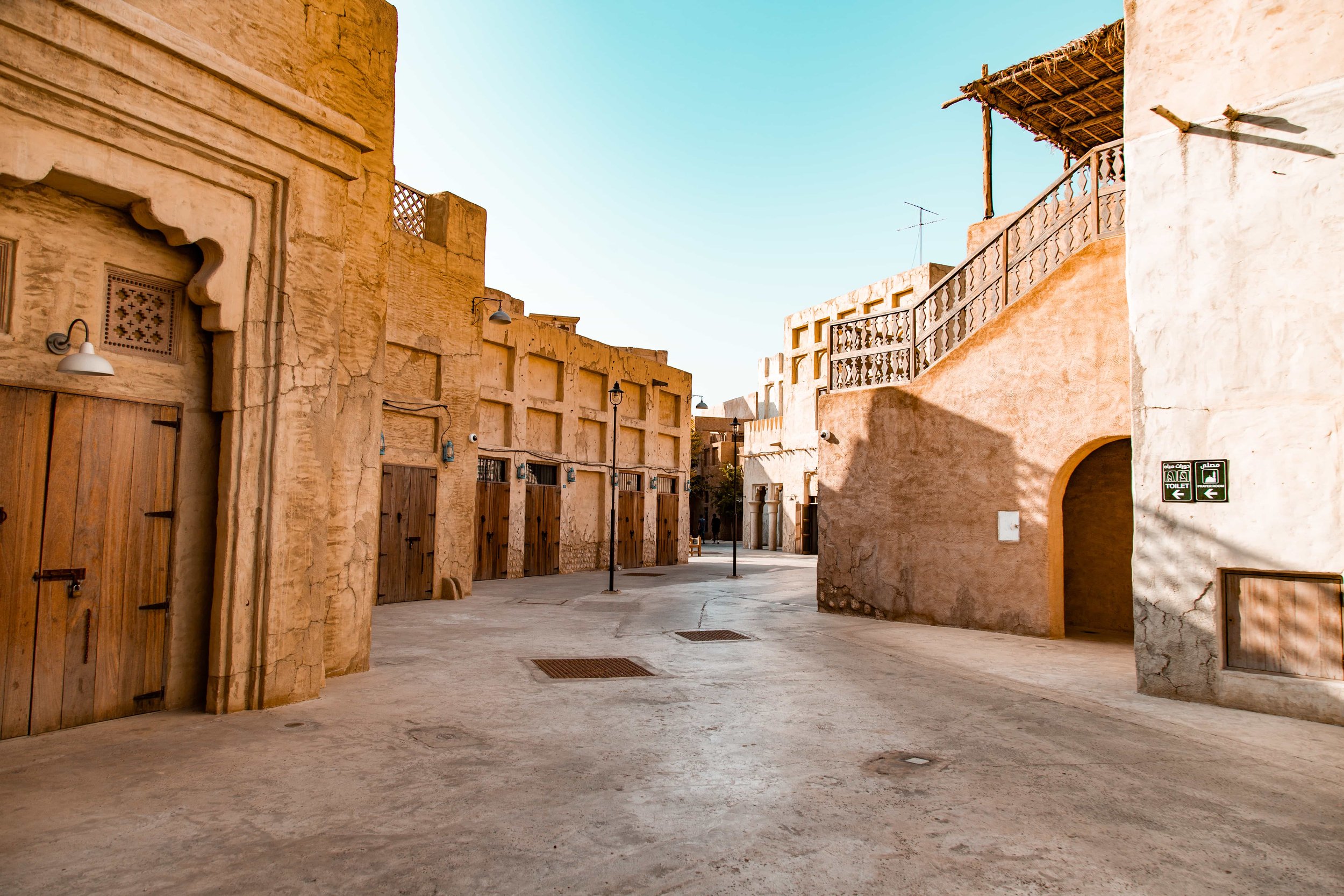
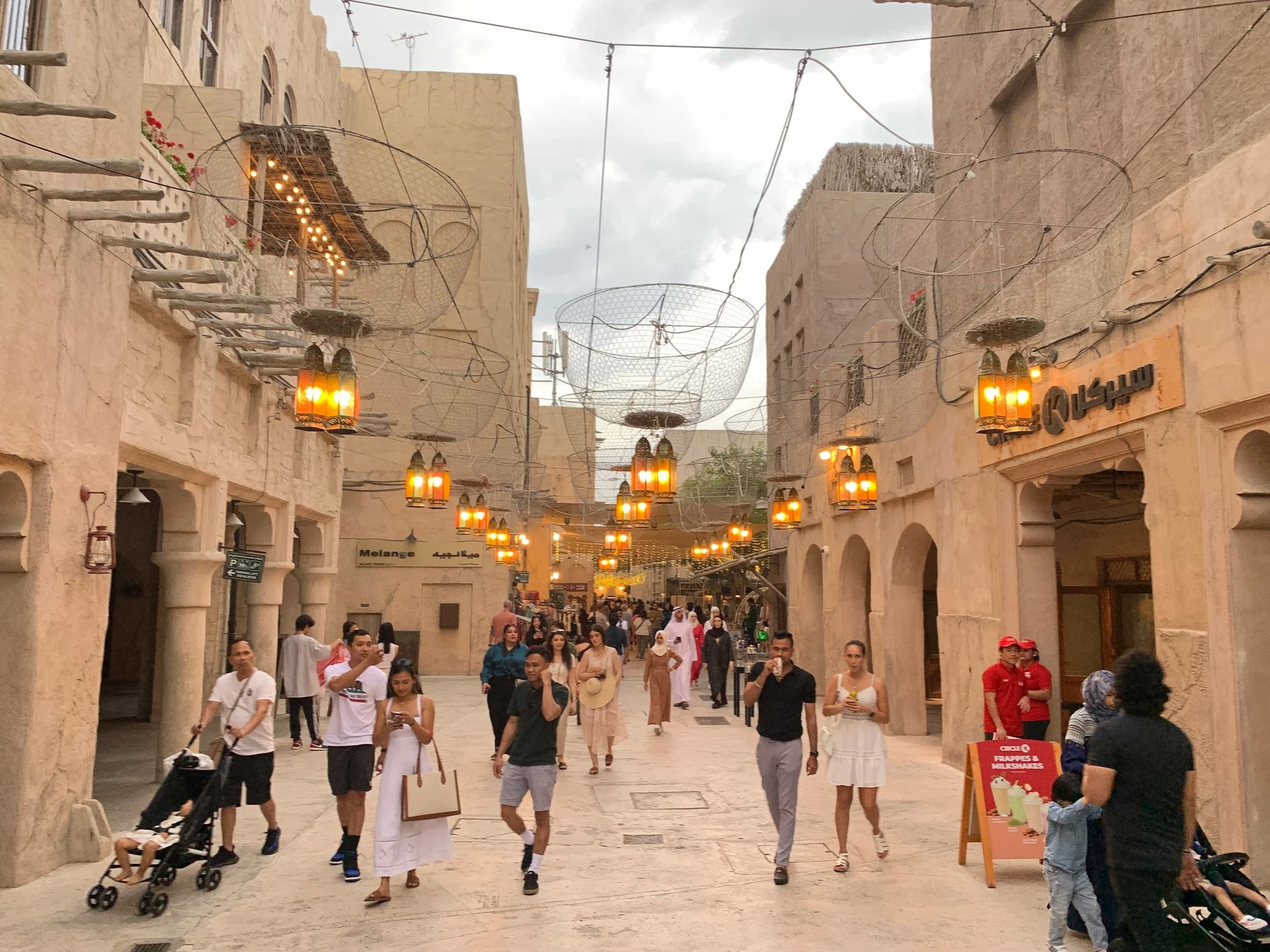
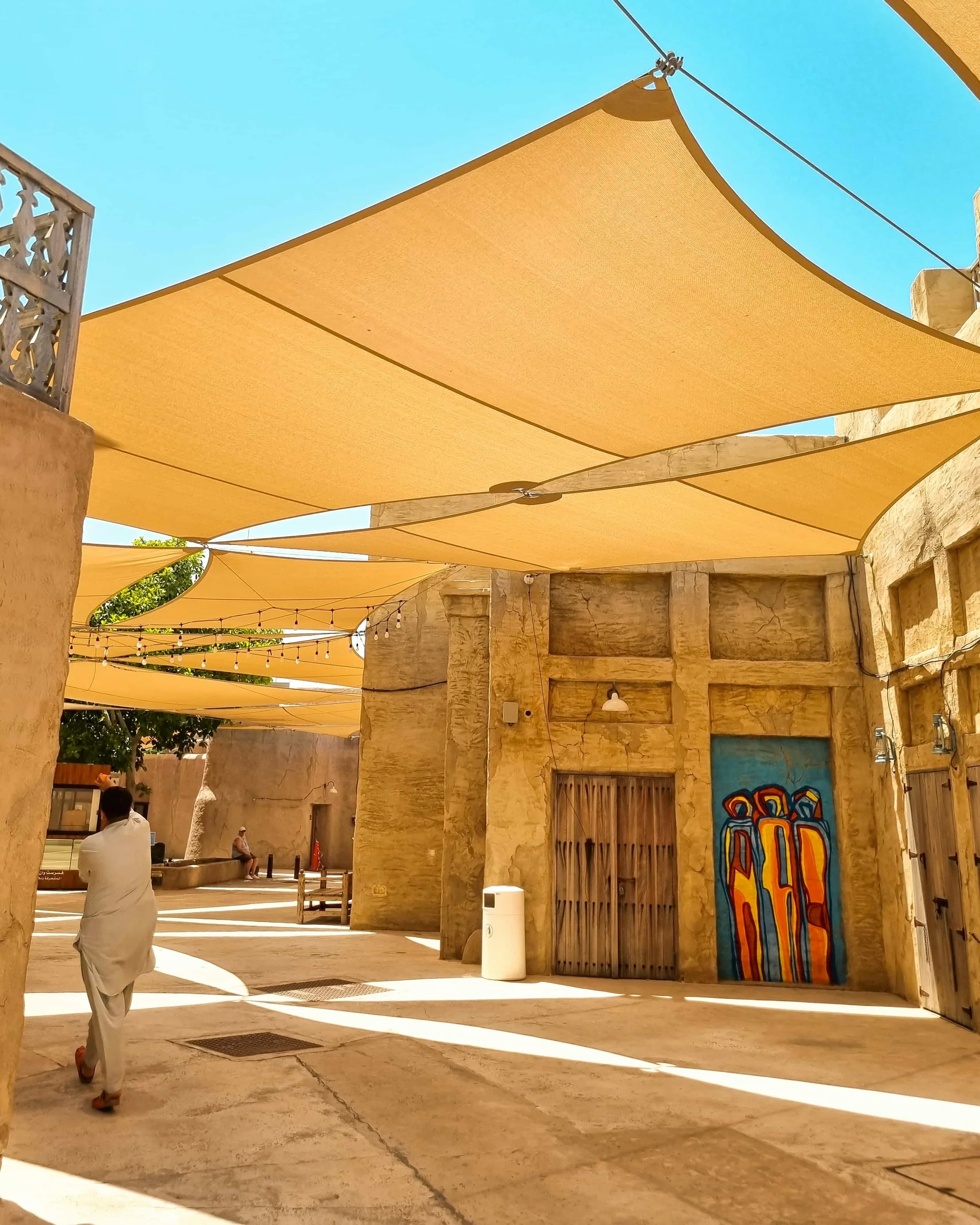
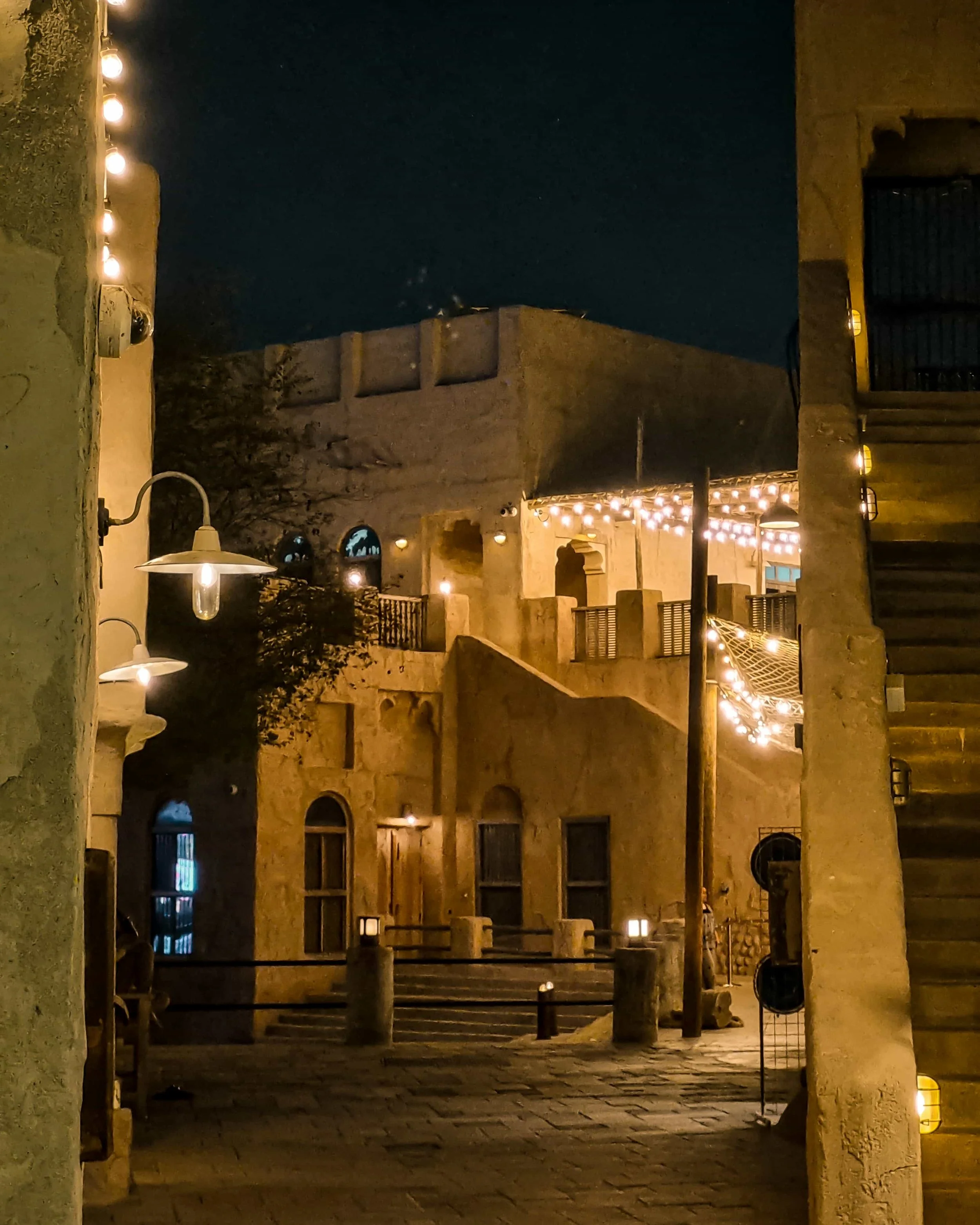
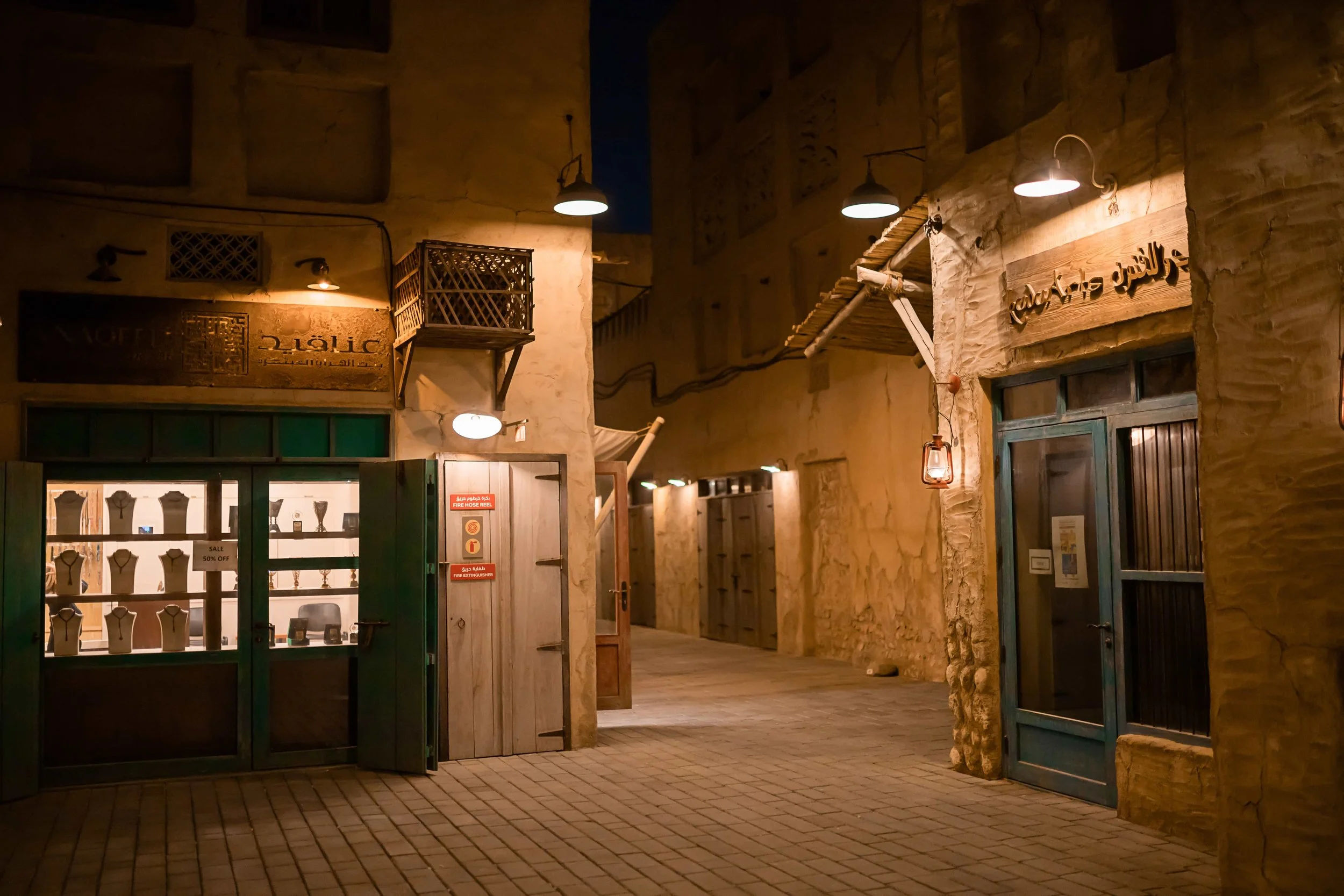
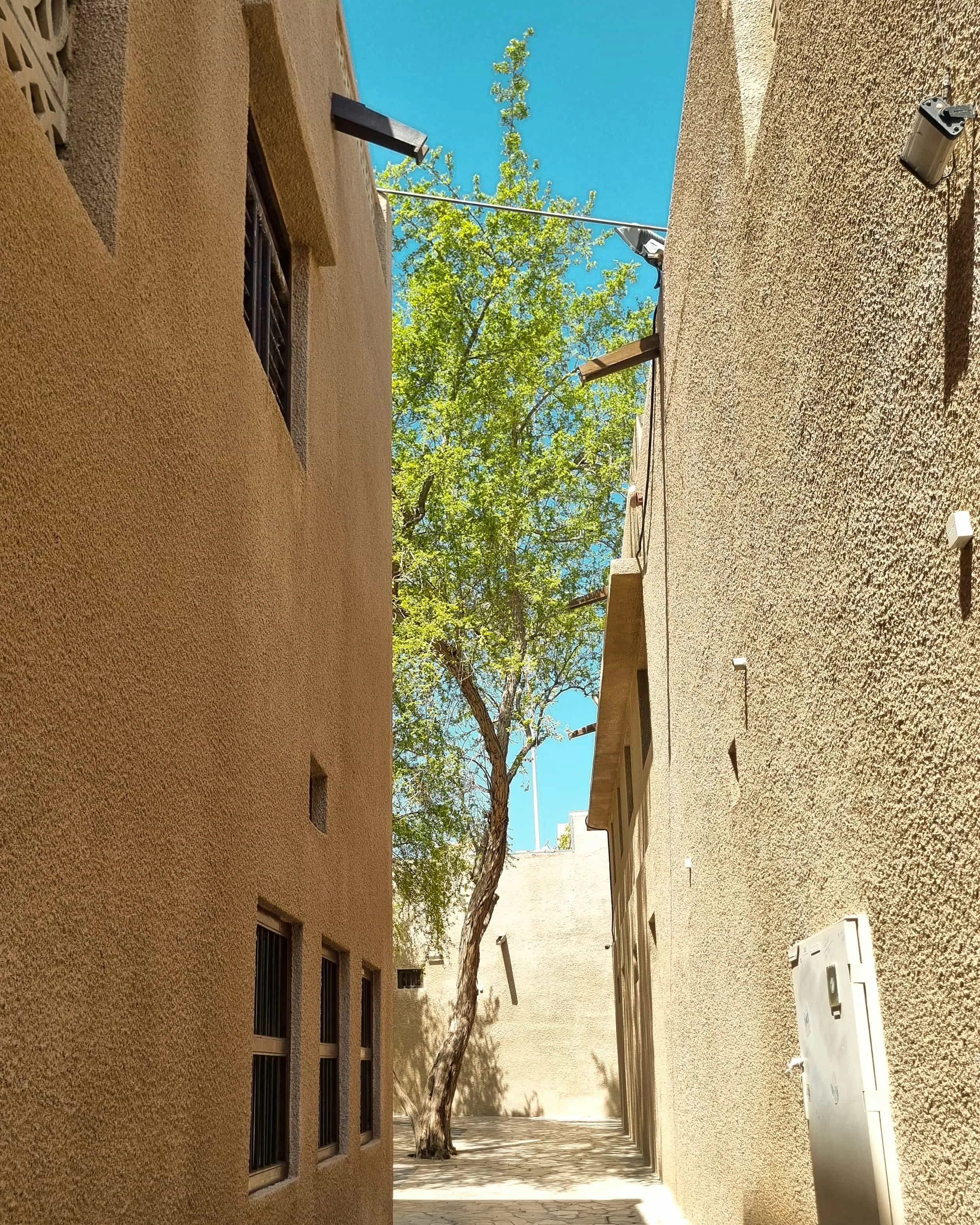
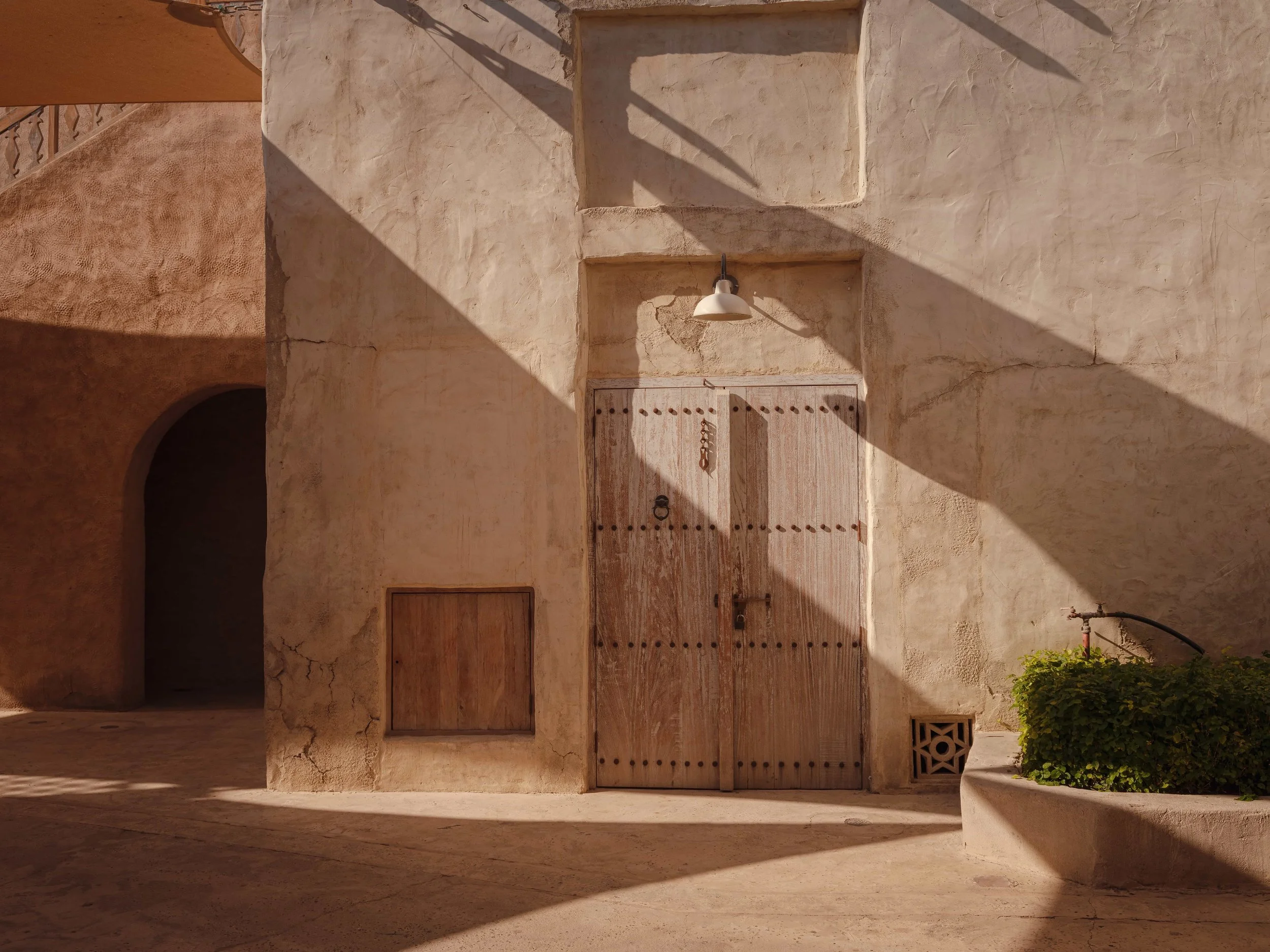
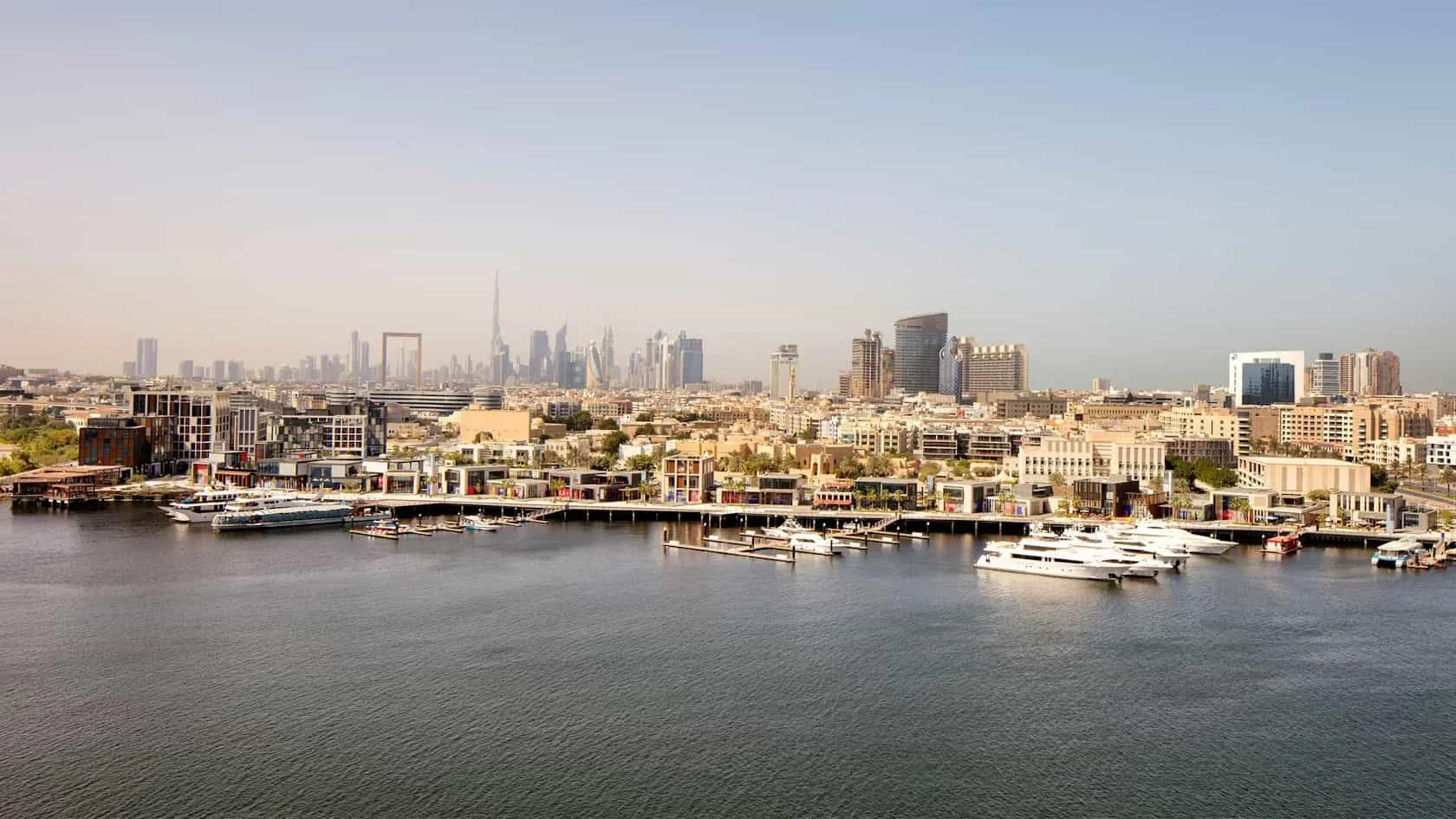
Expertise: Wayfinding & Visitor Experience Strategy, Signage Technical Design & Implementation Al Seef is a 1.8-kilometre waterfront destination stretching along the historic Dubai Creek, seamlessly blending the emirate's trading heritage with contemporary leisure and hospitality offerings. Developed by Meraas, this landmark destination is divided into two distinct character zones: the Heritage zone, featuring wind towers, coral stone facades, and narrow sikkas that echo Old Dubai's architectural traditions; and the Contemporary zone, offering modern retail and dining experiences with a refined urban aesthetic.
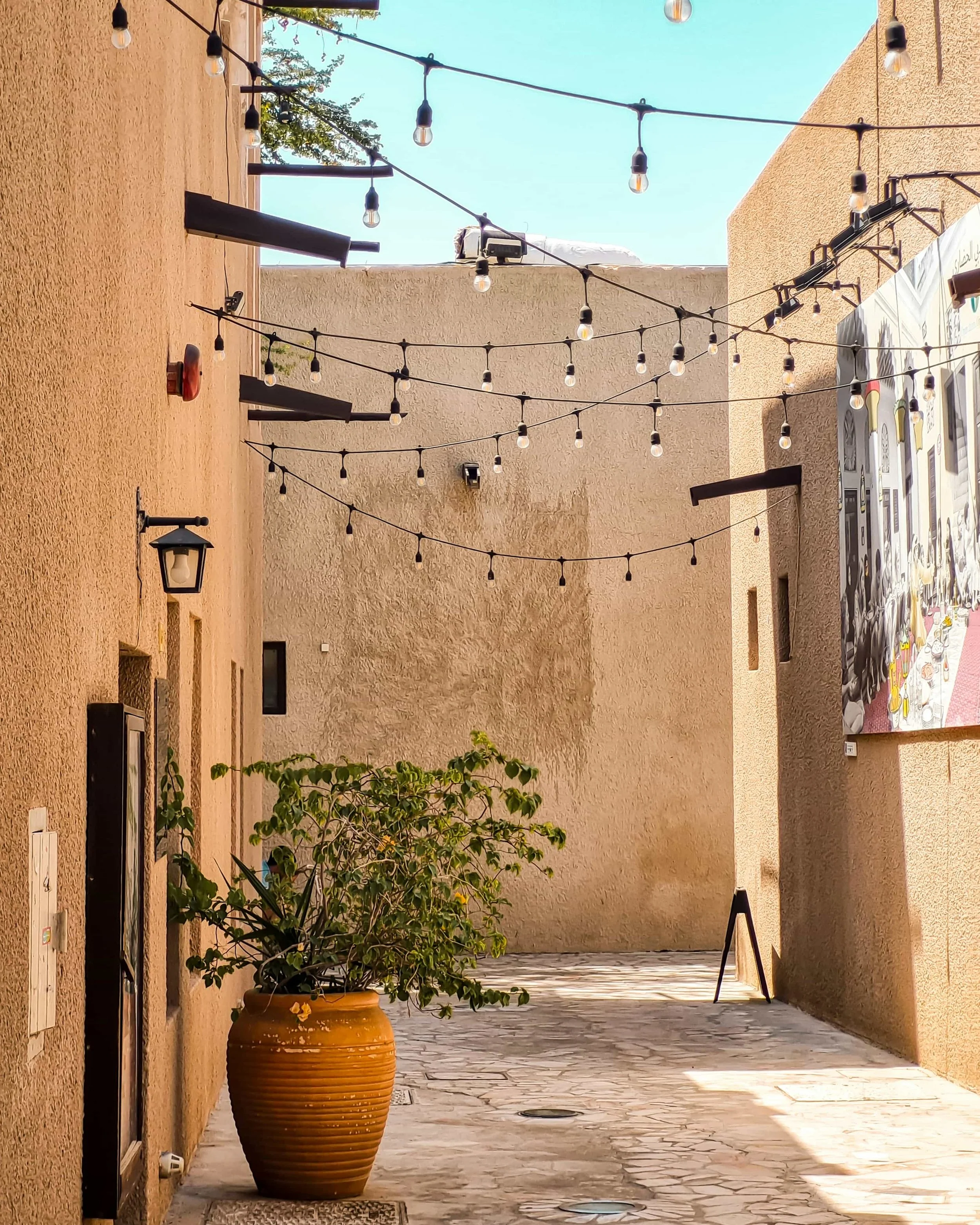
The project presented a unique wayfinding challenge—how do you create a cohesive navigation system across two fundamentally different architectural languages while respecting the authenticity that makes Al Seef such a compelling destination? The Heritage zone's organic street pattern, inspired by traditional souk planning, deliberately eschews the grid logic that conventional wayfinding relies upon. Meanwhile, the Contemporary zone demands a modern visual language that must somehow feel connected to its historic neighbour.
Our approach began with deep immersion in Dubai Creek's maritime heritage and the cultural significance of the souk as a gathering place for trade, conversation, and community. We developed a wayfinding system that draws inspiration from traditional Arabian navigation—the stars, the creek, and landmark minarets that guided merchants for centuries—translating these timeless principles into a contemporary signage family that feels indigenous rather than imposed.
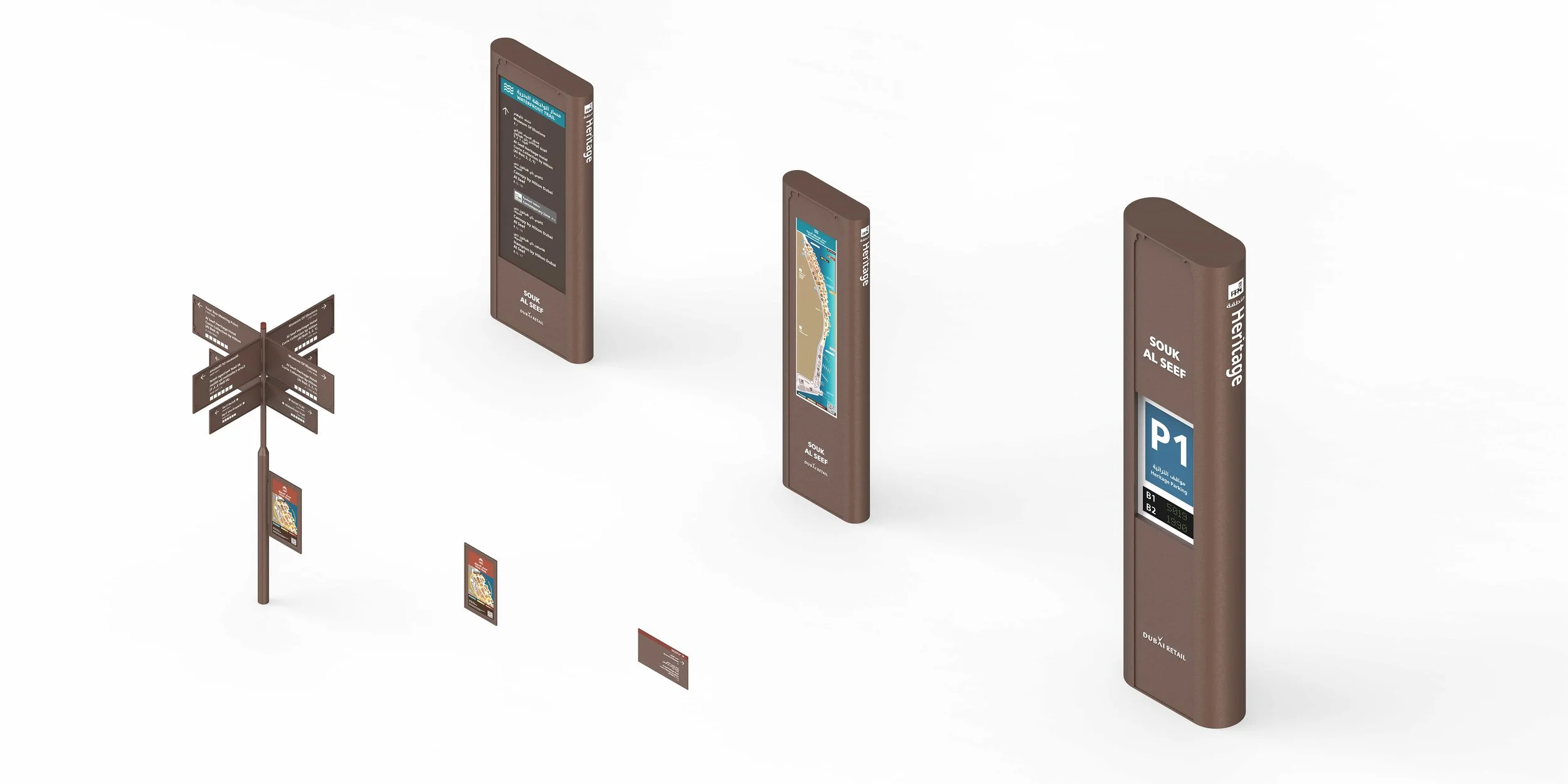
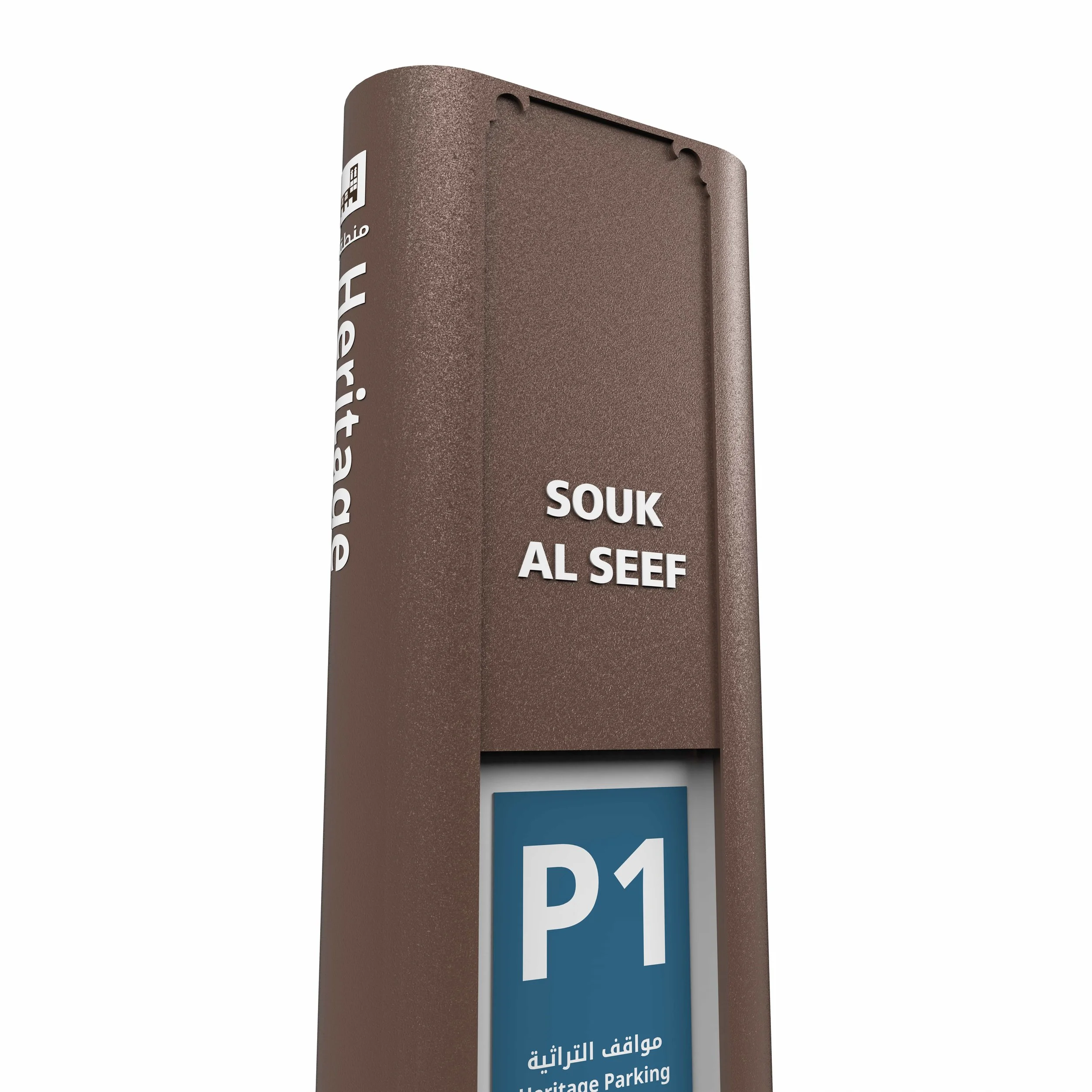
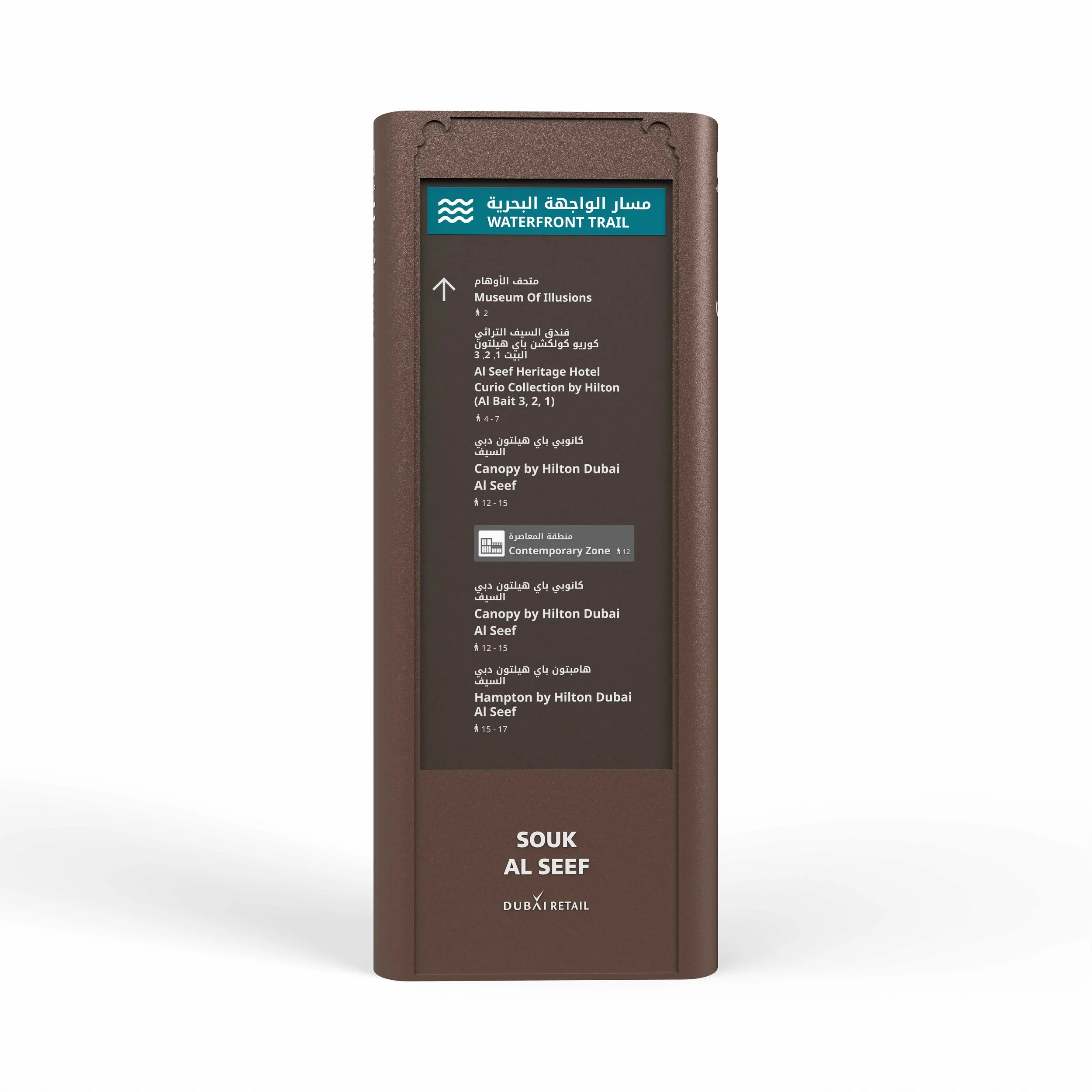
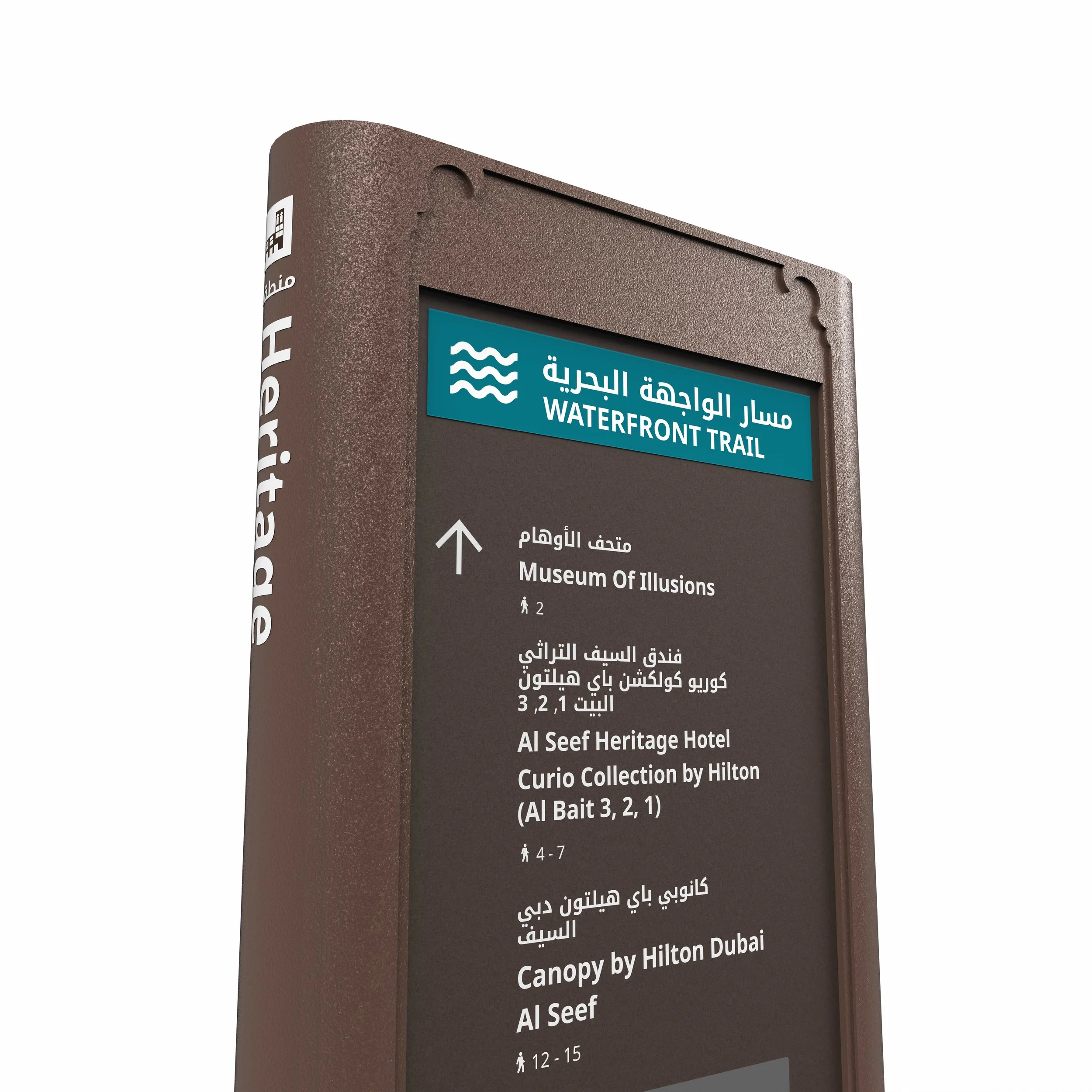
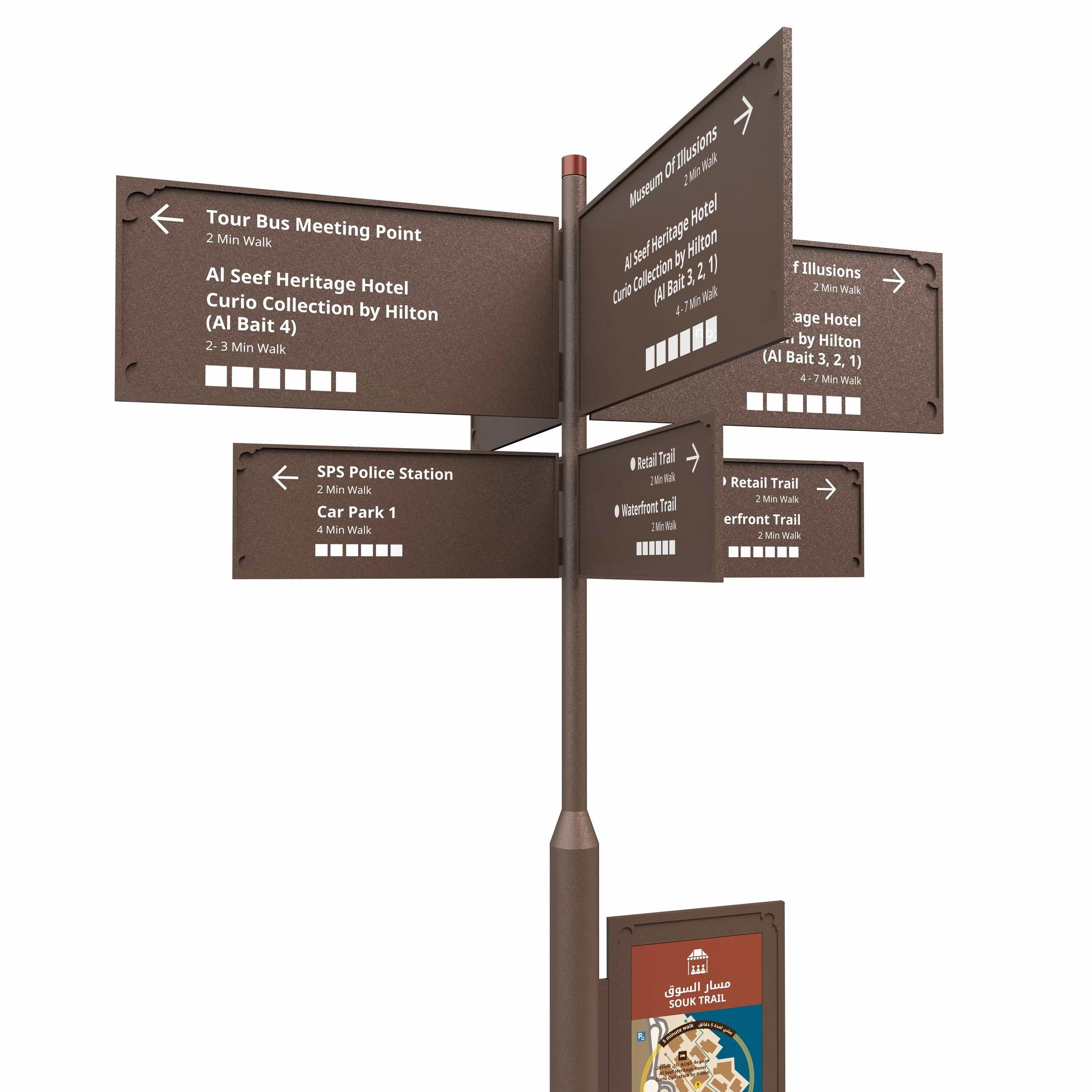
The Heritage zone navigation employs materials and craftsmanship that honour traditional Emirati building techniques: aged brass to blend in with the hand-finished timber building elements with an artisan metalwork detail that patinas gracefully in the coastal environment.
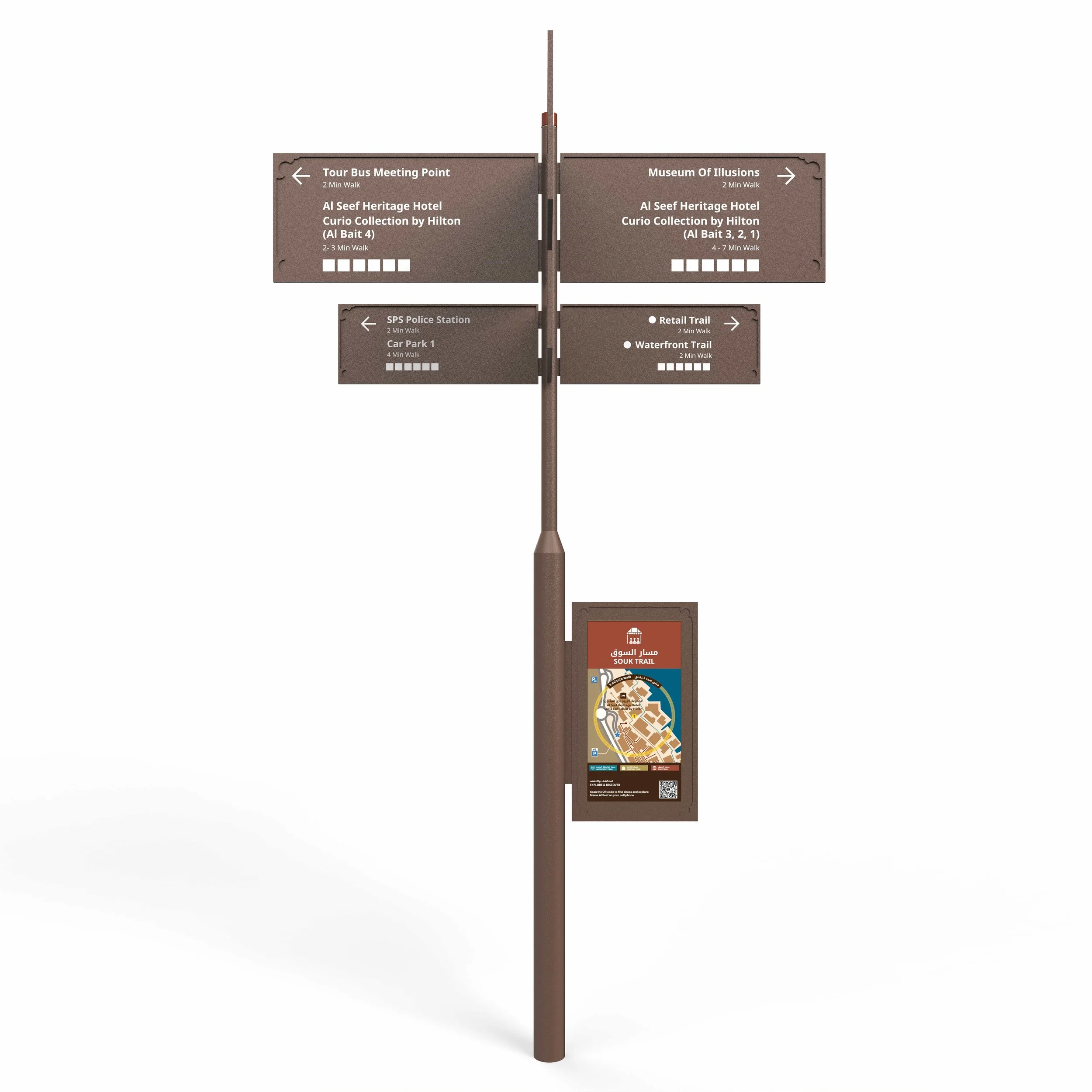
Directional elements are integrated into the architectural fabric, appearing as natural extensions of the souk rather than modern interventions. The Contemporary zone transitions to a refined material palette of brushed metals and illuminated elements, maintaining visual kinship through consistent typography and a shared approach to Arabic-English bilingual hierarchy.
A particular challenge was managing the complex interplay between pedestrian souk exploration, abra water taxi arrivals, vehicular drop-off, and connections to the adjacent Al Fahidi Historical Neighborhood. Our system creates intuitive transitions between transport modes while encouraging the unhurried wandering that makes souk exploration so rewarding.
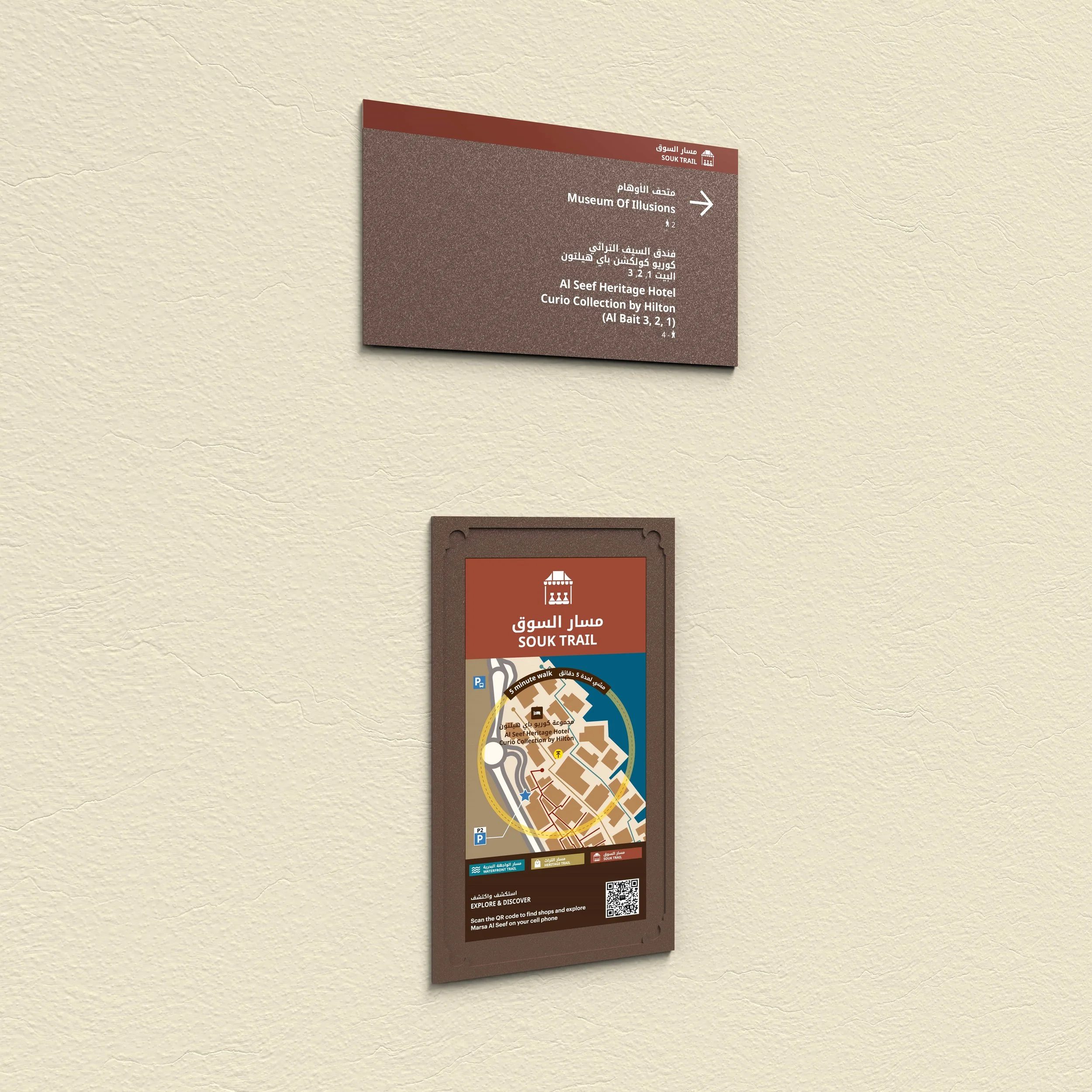
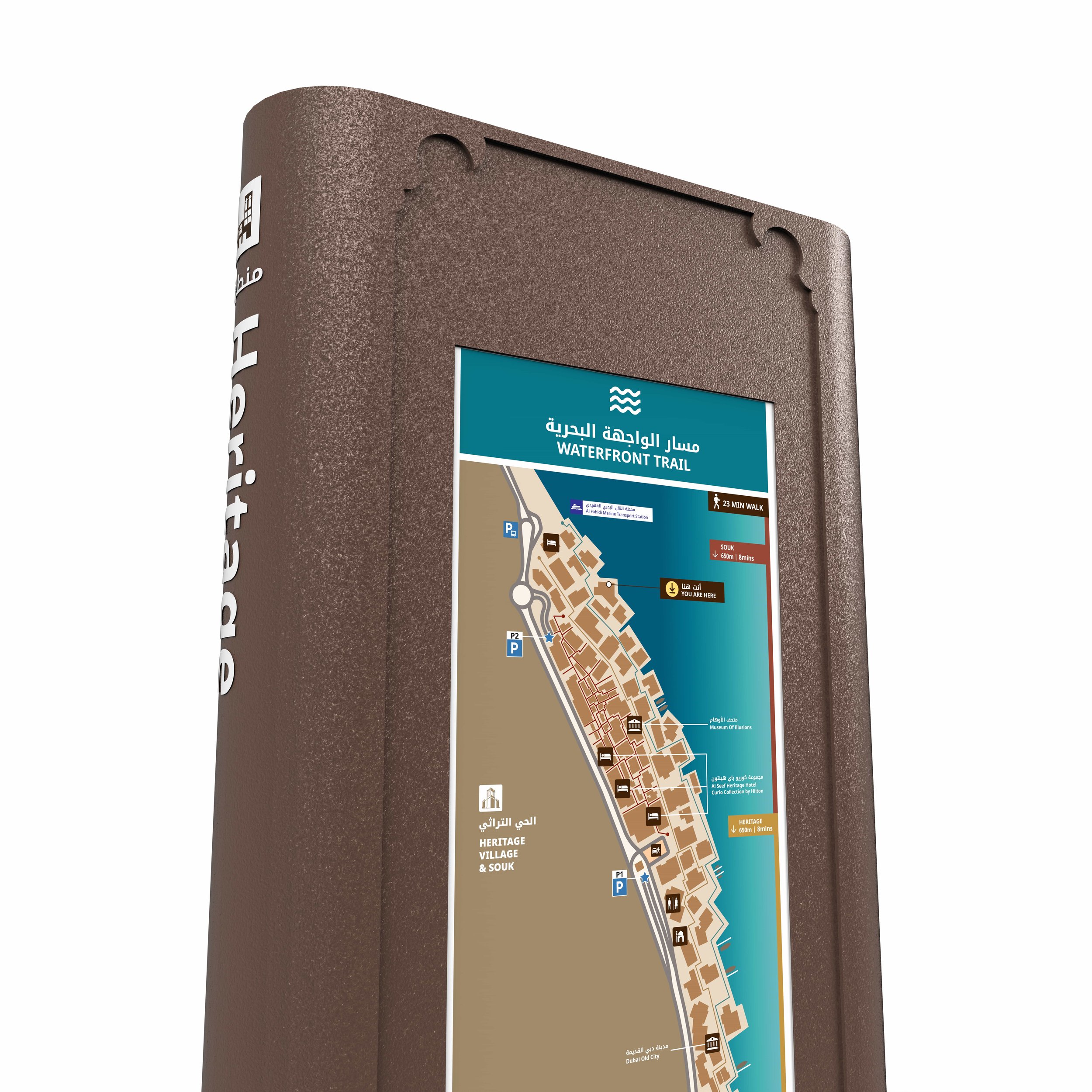
Key highlights of our design include creek-facing orientation totems that establish immediate spatial understanding upon arrival, a series of heritage-inspired fingerposts that guide visitors through the intimate sikkas without overwhelming the human-scale streetscape, and an integrated retail and F&B identification system that balances tenant visibility with destination cohesion.
In all, our wayfinding strategy for Al Seef demonstrates that navigation design can enhance rather than compromise heritage authenticity. By listening to the site's stories and respecting its cultural weight, we have delivered a system that helps visitors discover Dubai's roots while contributing to the living narrative of this extraordinary waterfront destination.