

Wayfinding Design for the Middle East.
Navigation Stress Is Invisible.
Its Impact on Your Visitor Experience Isn't.
Wayfinding.
We design human-centric solutions to complex navigation challenges — so visitors spend more time doing the things they love, with greater convenience and less staff intervention.
When wayfinding works, nobody notices it.
When it fails, everyone does. Visitors become anxious, staff get overwhelmed with directions requests, dwell times drop, and the carefully crafted experience you invested millions in starts to unravel. The problem is that most developers only discover their wayfinding has failed after the building opens — when the cost of fixing it is ten times what it would have been to get it right from the start.
Creative Dialog is the Middle East's most experienced wayfinding and signage design consultancy — a specialist wayfinding design agency and trusted visitor experience consultant in the Middle East. We deliver end-to-end wayfinding strategy, signage design, and wayfinding implementation for mixed-use developments, cultural districts, retail destinations, hospitality venues, and transport infrastructure from Saudi Arabia to India and Asia.
As a leading wayfinding consultant with bases in both Dubai and Singapore, we've designed navigation systems for some of the most complex and high-profile destinations over the past decade, from Saadiyat Cultural District to One Zaabeel to Nakheel Mall, The Pointe Palm Jumeirah, Green Riyadh and numerous others including Cairo Festival City and both Deira and Kuwait Waterfront districts.
Our signage and wayfinding work in Dubai is shaped by one reality: most wayfinding systems in the region don't work as intended. Approximately 80% of our wayfinding and signage work involves remediating systems that failed under other consultancies — systems designed by firms without direct experience of GCC conditions.
This diagnostic wayfinding expertise has been earned across a decade of delivery for clients including Emaar, Aldar, Dubai Holding, Nakheel, and various other partners across the region from Oman to Doha and Abu Dhabi. Whether the brief involves mall wayfinding design, hospital wayfinding, or city-scale visitor navigation design, we bring the same rigour: strategy first, signage design second.
However to be clear, we don't just design signage. We design how people move through, understand and experience complex environments — from the moment they arrive to the moment they leave. That makes us not just a signage design consultant in Dubai, but a trusted - strategy forward navigation consultant whose work extends the visitor experience across every touchpoint across the GCC.
What We Deliver
01 — Wayfinding Strategy & Information Design
The intellectual core of wayfinding — how visitors navigate, what they read, in what hierarchy.
The strategic work of defining a destination's navigation logic — information hierarchy, naming conventions, colour coding, and the relationship between physical signage, digital touchpoints, and architectural cues. Wayfinding Strategy & Information Design produces the intellectual framework that every sign, screen, and spatial cue is designed against — bilingual from the outset, calibrated to the navigation patterns of a population drawn from 200+ nationalities, and built to work as one system from arrival to departure.
02 — Map Making & Pictogram Development
The visual language that turns navigation strategy into a system visitors can read.
The craft work of designing the graphical assets that anchor a wayfinding system — destination maps, directional pictograms, iconography, and the visual language that allows visitors to recognise where they are and where they are going. Map Making & Pictogram Development produces the carefully calibrated visual system that crosses language, culture, and literacy levels — designed to perform at every scale from the device in a visitor's hand to the architectural sign visible at distance.
03 — BIM 4D Planning & Spatial Coordination
The technical integration that resolves wayfinding before construction.
The work of placing wayfinding into the project BIM model — through Revit and Navisworks integration, geospatial information systems, and detailed coordination with architects, engineers, and operators on the destination's master design model. BIM 4D Planning & Spatial Coordination produces the technical resolution that ensures every sign location, sight line, and structural detail is decided before tender — not discovered during construction, when the cost of correction multiplies tenfold.
04 — Technical Design & On Site Management
The discipline that takes wayfinding from approved design to installed reality.
The full-lifecycle work that ensures what was designed is what gets built — technical drawings, material specifications, fabrication documentation, tender management, prototype evaluation, and on-site installation oversight. Technical Design & On Site Management produces the documented system and the supervised delivery that closes the gap between design intent and installed outcome — managed end-to-end, from the first technical drawing to the last sign commissioned.
Designing for the Middle East.
What Makes Wayfinding Different Here.
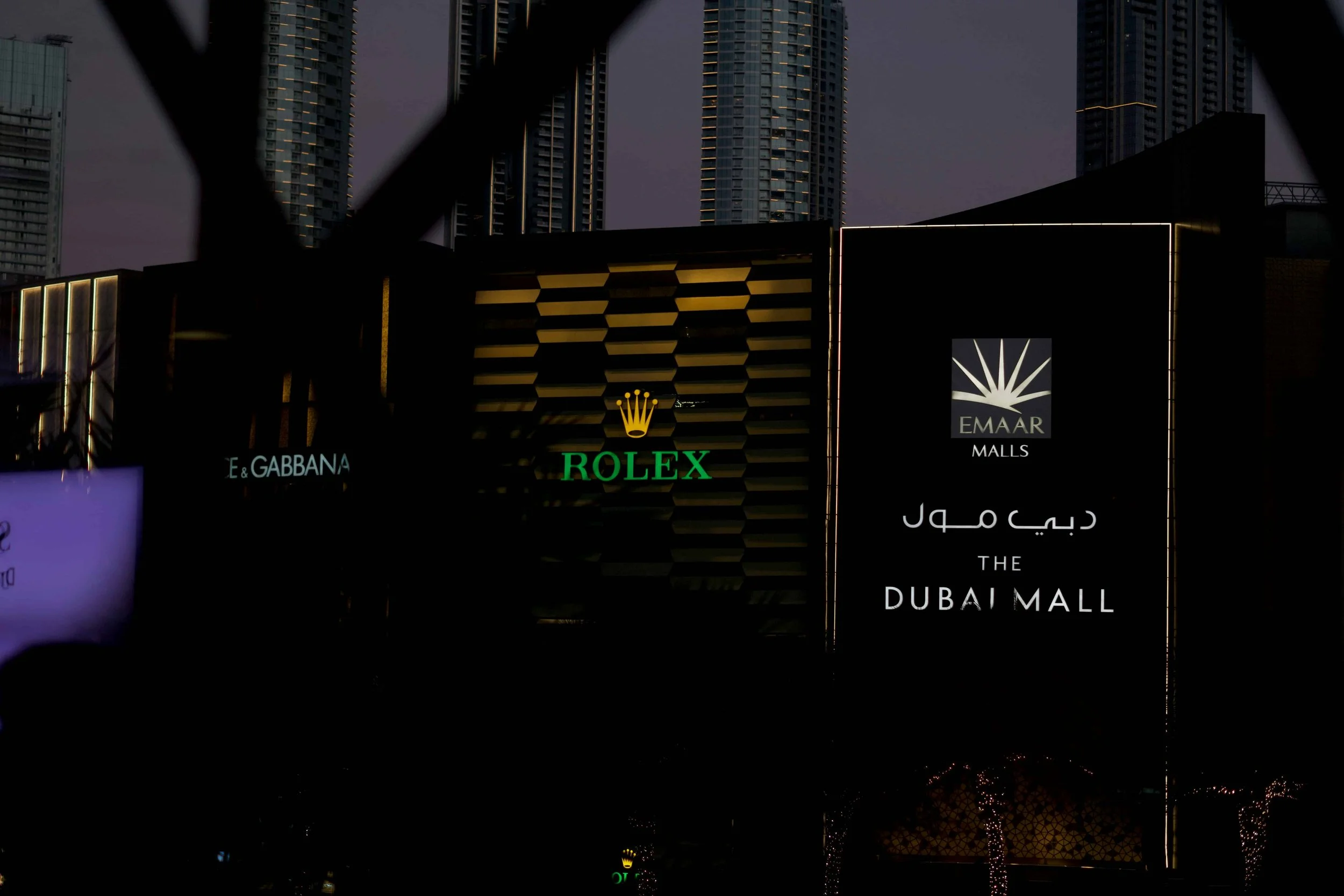
Wayfinding in the Middle East presents a unique set of technical and cultural challenges that most international consultancies are not equipped to handle — and the consequences of getting it wrong show up in every mall, resort and mixed-use development where visitors are lost, frustrated and leaving earlier than they should. Understanding what wayfinding means in practice in this region is fundamentally different from understanding what wayfinding means in London or Singapore.
Dual language Arabic-English integration is not a translation exercise. Arabic reads right-to-left, has different character heights and proportions, and requires specific typographic treatments to maintain legibility at distance. Most international wayfinding firms design in English first and retrofit Arabic as an afterthought — resulting in cramped, illegible secondary text that serves the majority language of the region as a footnote. We design for both languages simultaneously, with equal visual weight and legibility. This bilingual wayfinding capability is central to every project we deliver as a wayfinding consultant in the UAE.
Climate-resistant material specification is critical in environments where outdoor signage and wayfinding faces UV degradation, sand abrasion, thermal expansion cycles exceeding 40-degree daily ranges, and humidity conditions that destroy standard materiality within 18 months. Our evidence-based approach to wayfinding design in Dubai and signage design in Dubai ensures we specify materials and finishes proven to perform in these conditions, not materials sourced from European or North American specification libraries.
Cultural considerations shape everything from iconography selection — avoiding symbols that carry unintended cultural meanings — to the spatial design of information points, accounting for prayer time gathering patterns, gender-sensitive wayfinding in certain facility types, and the navigation expectations of a visitor population drawn from 200+ nationalities. These aren't edge cases. They are the baseline requirements for wayfinding signage design that actually works in this region.
This is where our Belonging Framework™ does its work. Clarity — the first of the Framework's three guiding principles — is the foundational layer of every wayfinding signage strategy we develop. Visitor navigation design that delivers clarity in this region requires bilingual integration from the outset, climate-resistant material thinking, and cultural intelligence threaded through every decision point. The Framework's Three Cs are how we deliver on that, and why approximately 80% of our wayfinding work involves remediating systems designed by firms who treated the Middle East like everywhere else.
Why Developers Choose Us.
Sixteen years designing for this climate and culture.
We have been based in Dubai since the beginning, designing wayfinding systems for the region's most complex environments. We do not need cultural adaptation workshops — we live and work in the conditions we design for. As the best wayfinding companies in the Middle East operating with permanent regional presence, our wayfinding design services across the UAE are built on lived knowledge of how Arabic-English bilingual environments, prayer-time pedestrian flows and family-group navigation patterns shape every design decision.
We fix what others get wrong.
Roughly 80% of our wayfinding work involves remediating failed systems designed by international consultancies. Illegible Arabic typography, materials failing in desert conditions, information hierarchies that confuse rather than clarify — we have diagnosed and corrected them all across our years as wayfinding consultants in the UAE. That experience informs every signage strategy and wayfinding design we deliver from scratch as one of the best wayfinding companies in Dubai.
We deliver from strategy to site.
Most wayfinding consultancies hand over design intent documents and leave. We manage the entire process — from initial wayfinding audit through BIM coordination, tender documentation, fabricator evaluation, prototype approval and on-site QA/QC. When you engage Creative Dialog as your signage design consultant in Dubai, there is no gap between what was designed and what gets built. This is the full-lifecycle wayfinding signage design discipline that distinguishes the leading wayfinding design firms in Dubai from those that stop at concept.
We connect navigation to experience.
Wayfinding does not exist in isolation. Our integrated approach ensures your visitor navigation design reinforces your destination brand and works in concert with your placemaking strategy — creating a coherent visitor experience rather than a collection of disconnected elements. As a wayfinding designer with both diagnostic and creative depth, we treat every signage strategy in Dubai as a question of how visitors will actually move, dwell and return — not just where the signs go.
Explore our work.
Selected wayfinding projects across the Middle East
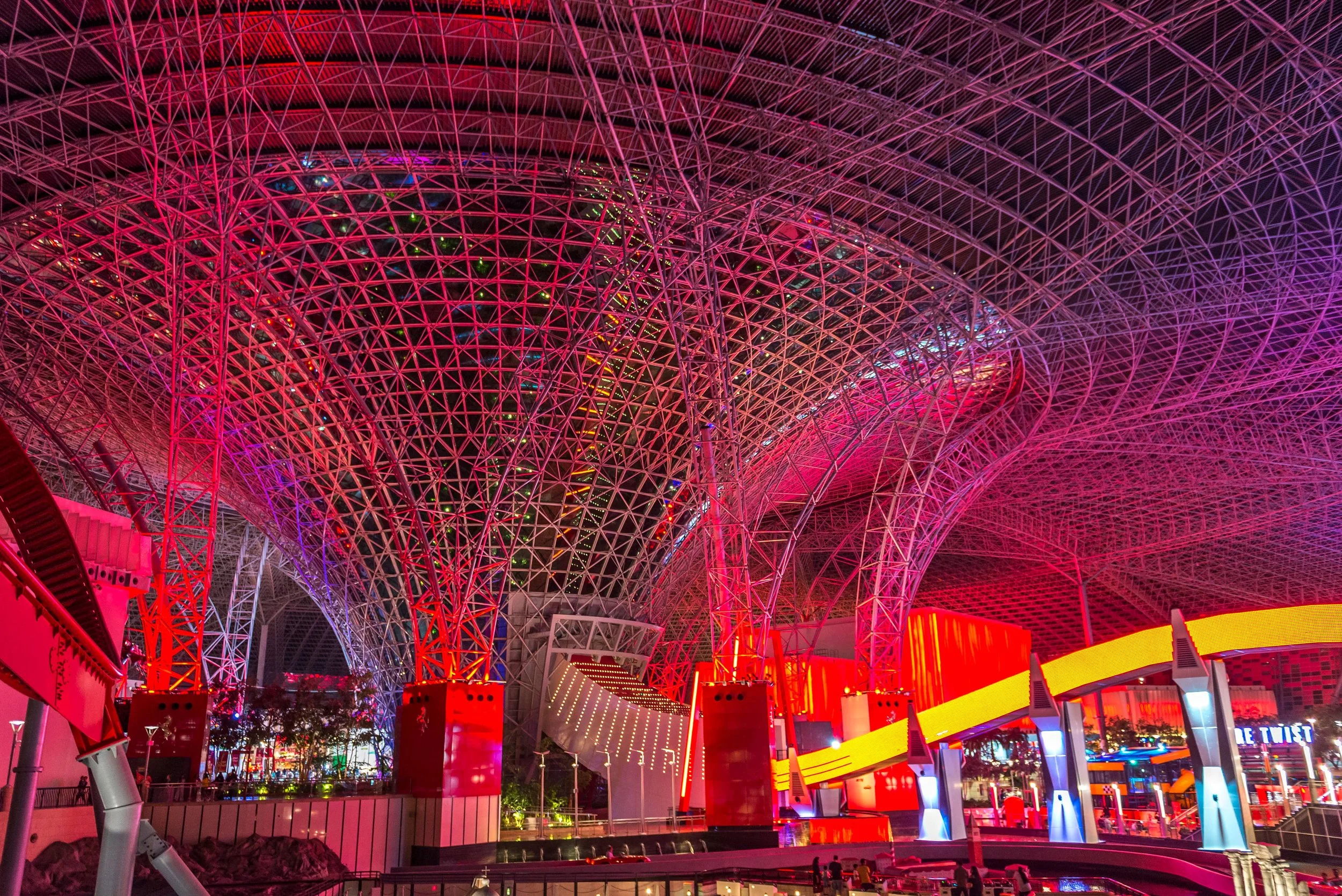
YAS ISLAND THEME PARK WAYFINDING
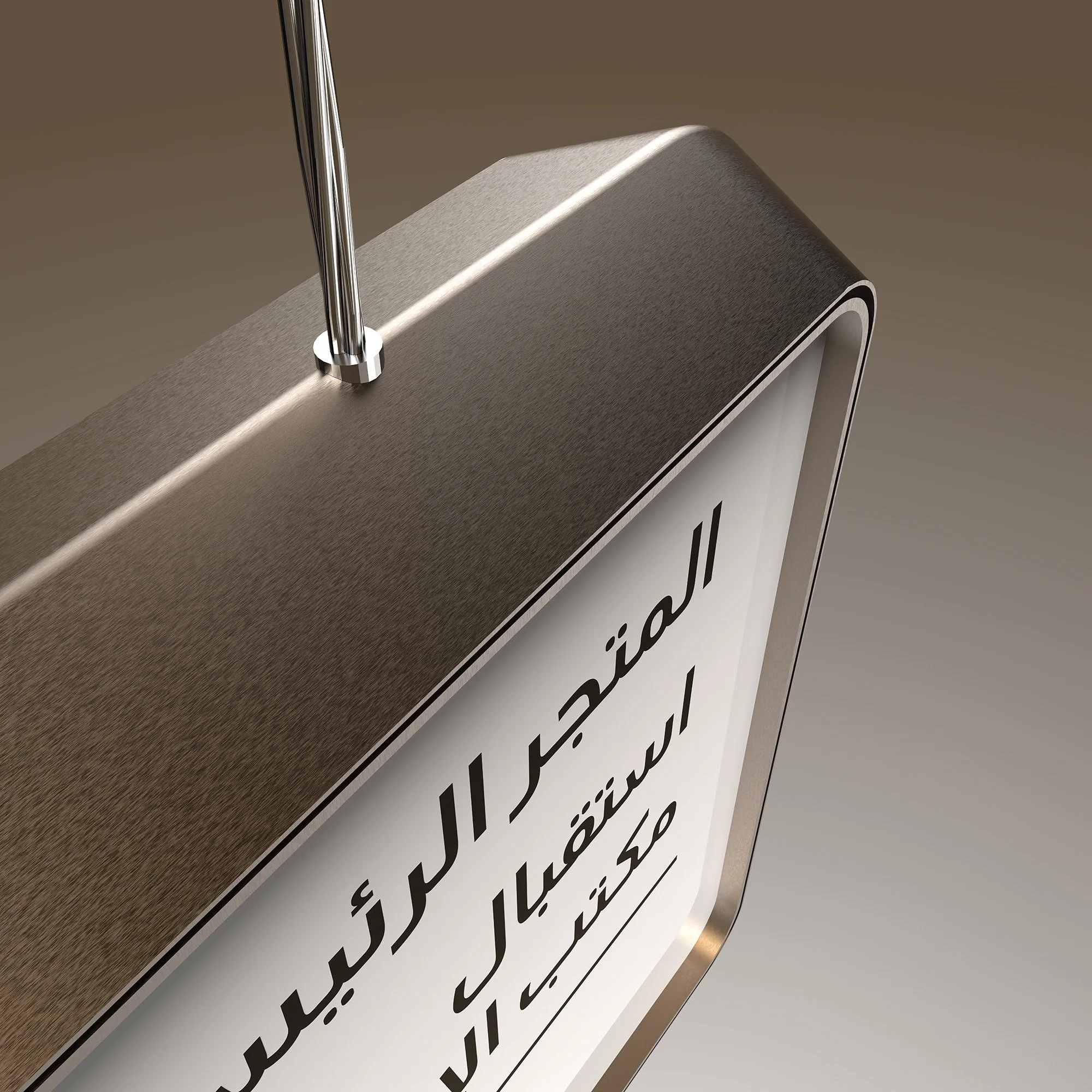
AL KHAIL AVENUE MALL WAYFINDING
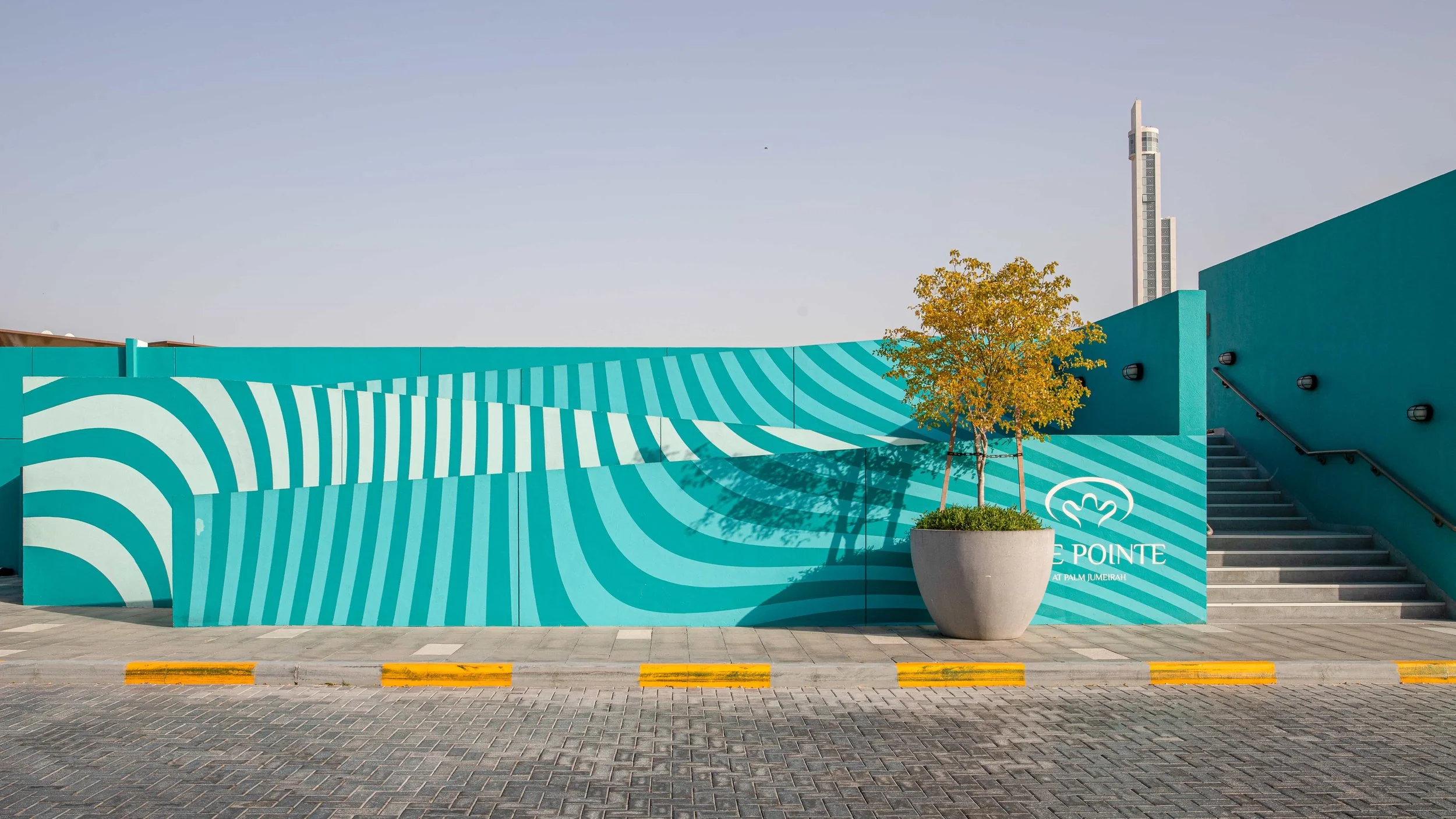
THE POINTE WAYFINDING
Connected Services.
Placemaking
Translate your destination brand identity into the physical environment through spatial design, cultural programming, public art, and public realm activation. Our placemaking design services ensure your place brand strategy is experienced — not just communicated.
Wayfinding Works Best With...
Strategic Advisory
Define the identity and narrative that your place expresses. Our destination branding and brand strategy and design work gives placemaking its soul — without a strong destination brand identity, even the best spatial and public realm design lacks meaning. Through environmental branding, we ensure your place brand strategy is visible in every physical touchpoint.
Destination Branding
Define the identity and narrative that your place expresses. Our destination branding and brand strategy and design work gives placemaking its soul — without a strong destination brand identity, even the best spatial and public realm design lacks meaning. Through environmental branding, we ensure your place brand strategy is visible in every physical touchpoint.
Request Proposal.
Ready to transform your destination?
Fill out some info and we will be in touch shortly.
We can’t wait to hear from you!

Our Professional Affiliations