
Placemaking for the Middle East
Spaces Don't Create Communities.
Places Do.
Placemaking.
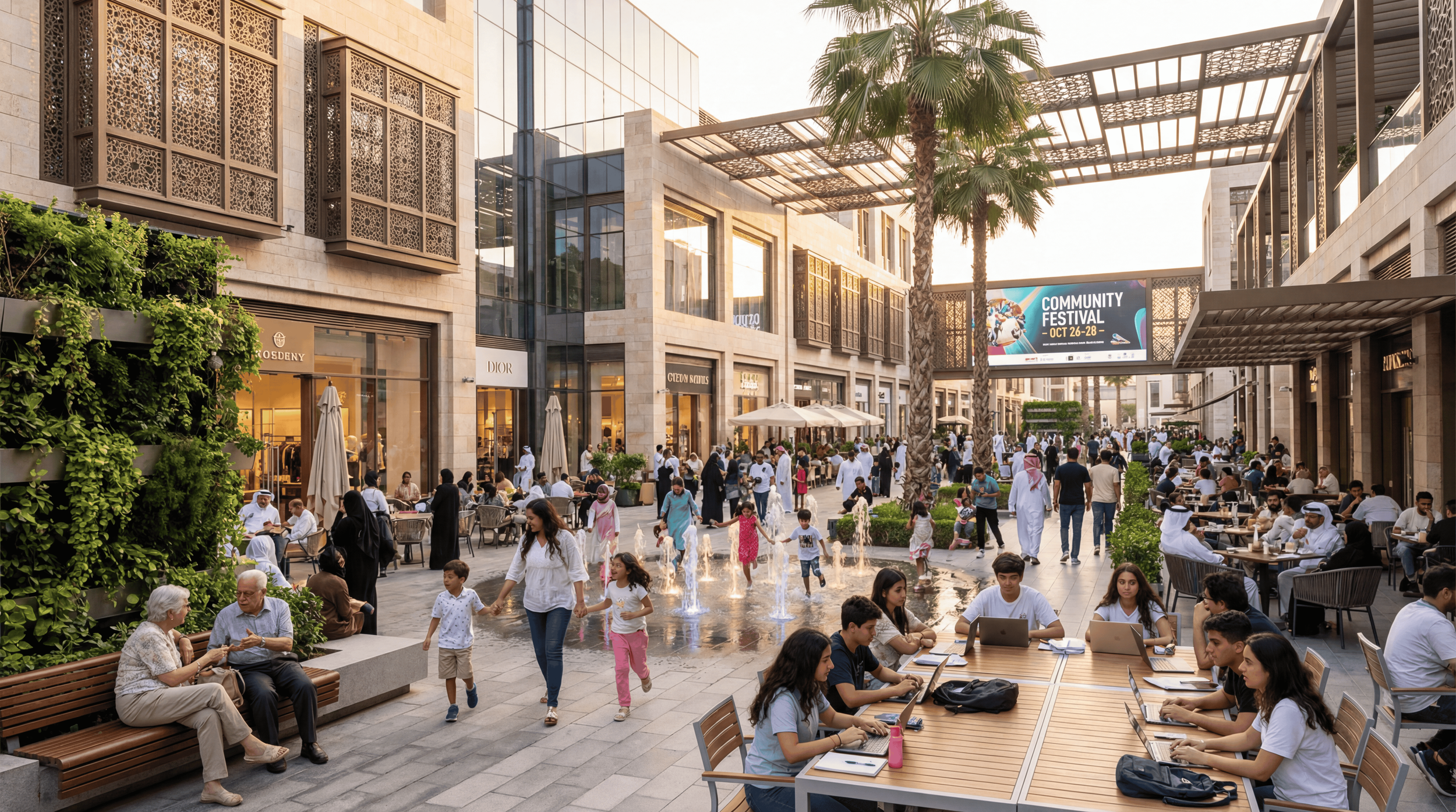
We collaborate with our partners to envision and define what places can be. transforming generic spaces into distinctive destinations where people pause, connect and return.
The public realm is the most undervalued asset in destination development.
Developers invest heavily in architecture, interiors and landscaping — yet the spaces between buildings, the areas where people are supposed to gather, linger and return, are often the last to receive strategic attention and the first to underperform.
Placemaking changes that equation. It's the discipline that turns open space into occupied space — through research-led spatial programming, cultural activation and design interventions that give people a reason to stay, not just pass through.
Creative Dialog has delivered place visioning and activation strategies for destinations including Yas Island Abu Dhabi, Dar Wasl, Mina Al Arab and the Kuwait Waterfront. Our place strategy work is shaped by a decade of practice in the Middle East, where outdoor public realm operates under climate, cultural and seasonal conditions that most international methodologies weren't designed for.
How We Work
Placemaking in the Middle East is not the same as creating a place strategy in London or New York. Outdoor activation strategies have to account for 50-degree summers, Ramadan programming shifts, prayer time spatial requirements, and the balance between local community needs and international visitor expectations. Our methodology is built around these realities — not adapted to them after the fact.
Research & Discovery
Every placemaking engagement begins with rigorous on-the-ground research. We map existing visitor behaviour, profile target audiences, analyse the competitive landscape, and conduct demographic studies to understand who the place needs to serve. This includes visitor journey mapping across different seasons, times of day and cultural events — because a space that works in January often fails in August if climate hasn't been designed for from the outset.
Tactical Urbanism & Public Art
Before committing to permanent infrastructure, we test. Our tactical urbanism approach uses temporary, low-cost interventions — pop-up markets, parklets, shade installations, street furniture trials — to generate real visitor data and community feedback on how a space will actually be used. This de-risks investment, compresses the learning cycle, and produces evidence-based design decisions rather than assumptions imported from other markets.
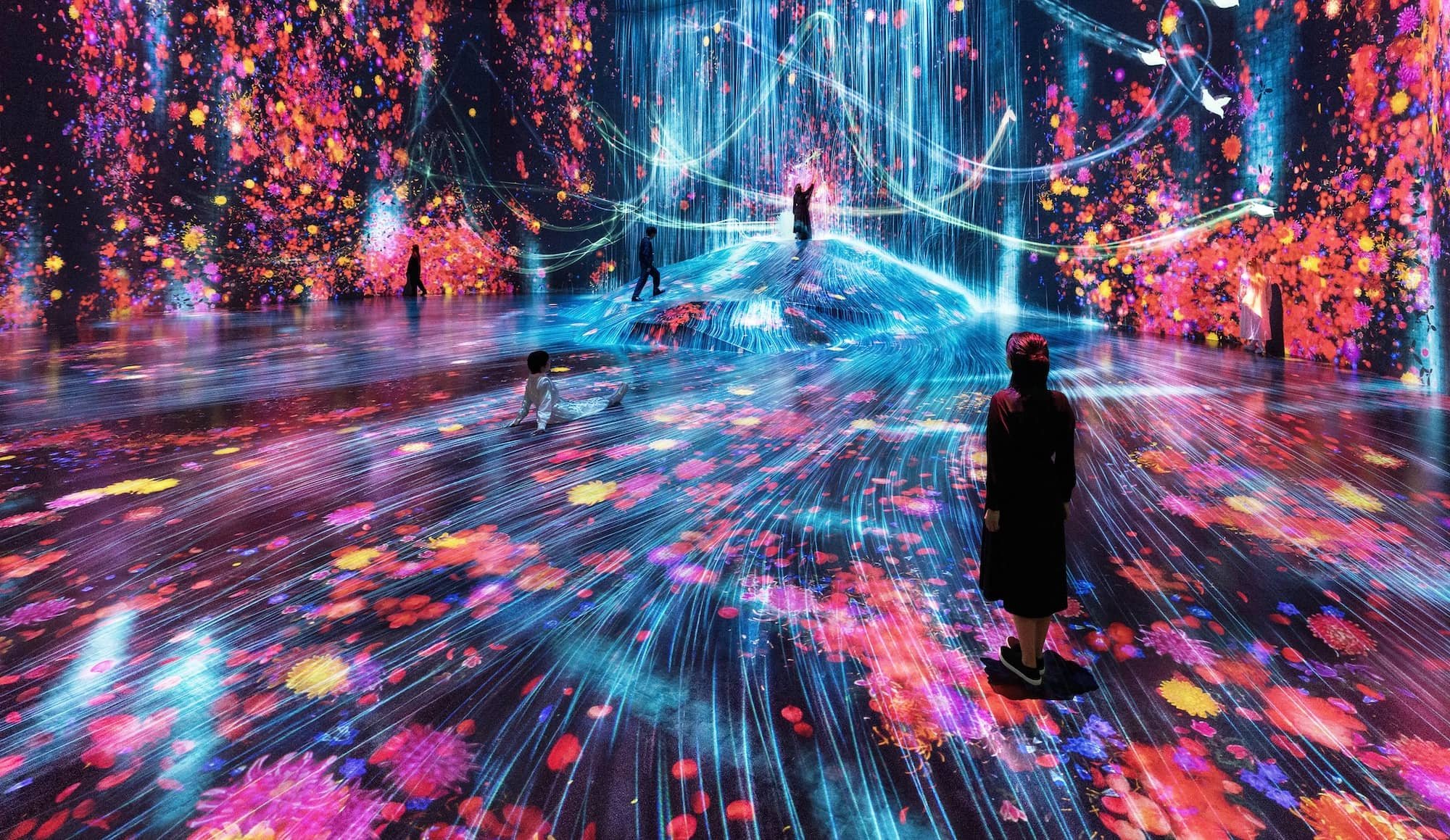
Public art is integrated as a placemaking tool, not an aesthetic afterthought. We develop public art strategies and curatorial frameworks that give each destination a distinctive creative identity — commissioning and coordinating works that respond to the cultural context of the site, create landmarks that aid orientation, and give visitors a reason to photograph, share and return.
Visioning & Strategy
We synthesise research into a placemaking framework that defines the destination's identity, spatial programming and activation strategy. This is where we apply our Cultural-Climate Bridge methodology — ensuring every intervention authentically reflects the cultural context of the region while meeting international standards for public realm design. We develop destination visions and programming calendars that account for seasonal climate shifts, cultural events and evolving community needs, supported by public art strategies that give each place a distinctive creative identity.

Designing for the Middle East
What Makes Placemaking Different Here.
Most global placemaking methodologies were developed for temperate European or North American cities. They assume year-round outdoor usability, Western social conventions and homogeneous cultural contexts. None of that applies in the GCC.
Our placemaking work is designed around the specific conditions of this region: shade-first spatial planning that maximises usable outdoor hours, climate-responsive material selection that performs in extreme heat, bilingual Arabic-English environmental graphics, culturally sensitive programming that respects local customs while welcoming international visitors, and seasonal activation calendars that account for Ramadan, summer months and the October-to-April outdoor season when the public realm becomes the region's most valuable asset.
This isn't a secondary consideration — it's the foundation. And it's why developments that bring in international placemaking consultancies without permanent regional presence often end up with beautifully rendered spaces that don't actually work for the people who use them.
Why Developers Choose Us.
We've been based in the region for 15 years. Our team lives in the climate, navigates the culture, and understands the nuances that international firms miss. We don't need a "regional adaptation workshop" — this is where we work.
A significant portion of our placemaking engagements involve correcting public realm strategies that failed to activate. Empty plazas, underused parks, "Instagram-only" installations that die within months — we've diagnosed them all. That experience shapes every strategy we create.
Through tactical urbanism, we prototype placemaking concepts with temporary interventions before permanent infrastructure is committed. This de-risks your investment, generates real community feedback, and produces evidence-based design decisions rather than assumptions.
Placemaking doesn't exist in isolation. Our integrated approach connects spatial design to your destination brand identity and wayfinding system — ensuring the place you create is coherent, navigable and unmistakably yours.
Explore our work.
Selected placemaking projects Middle East
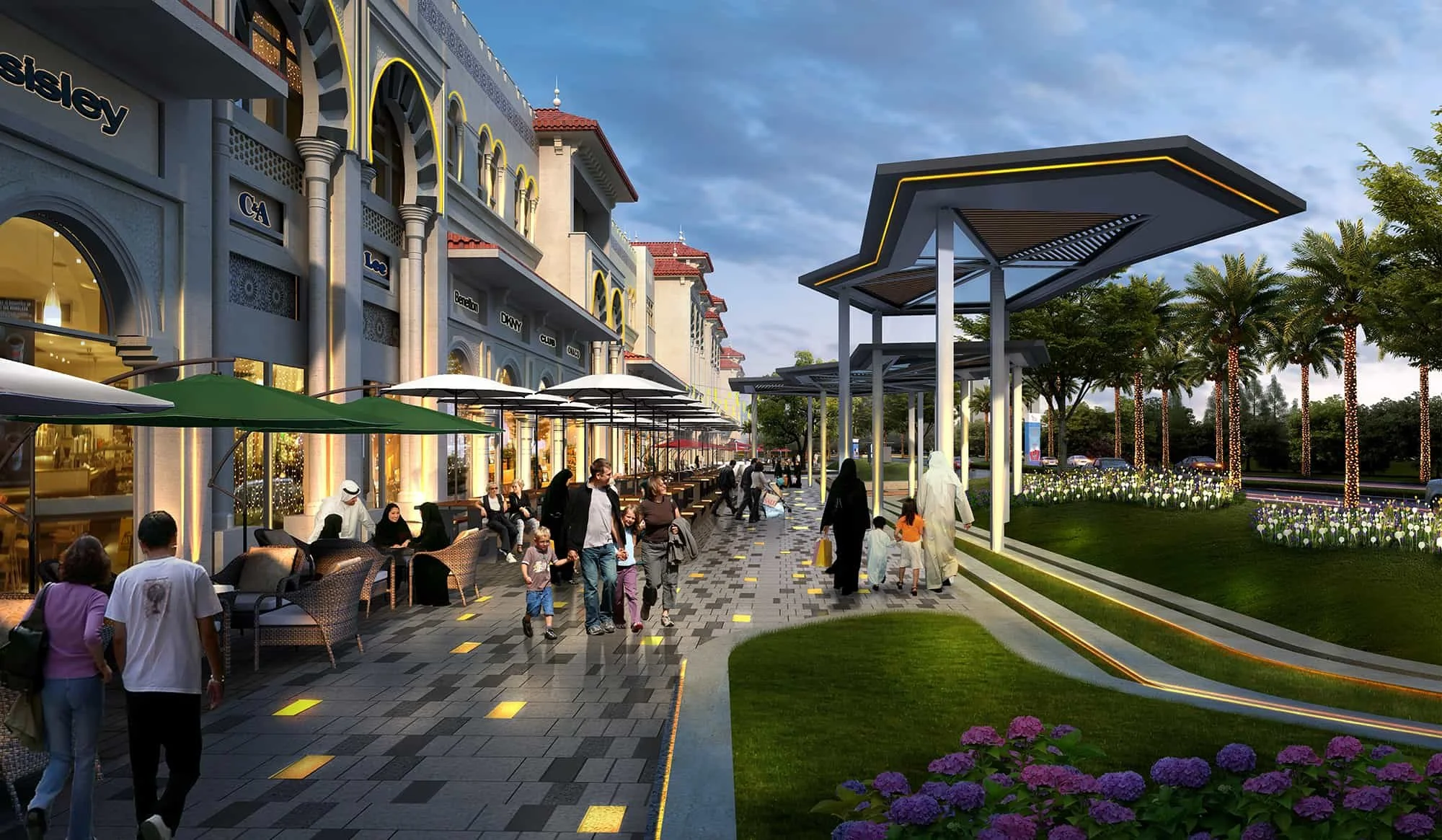
DAR WASL PLACEMAKING
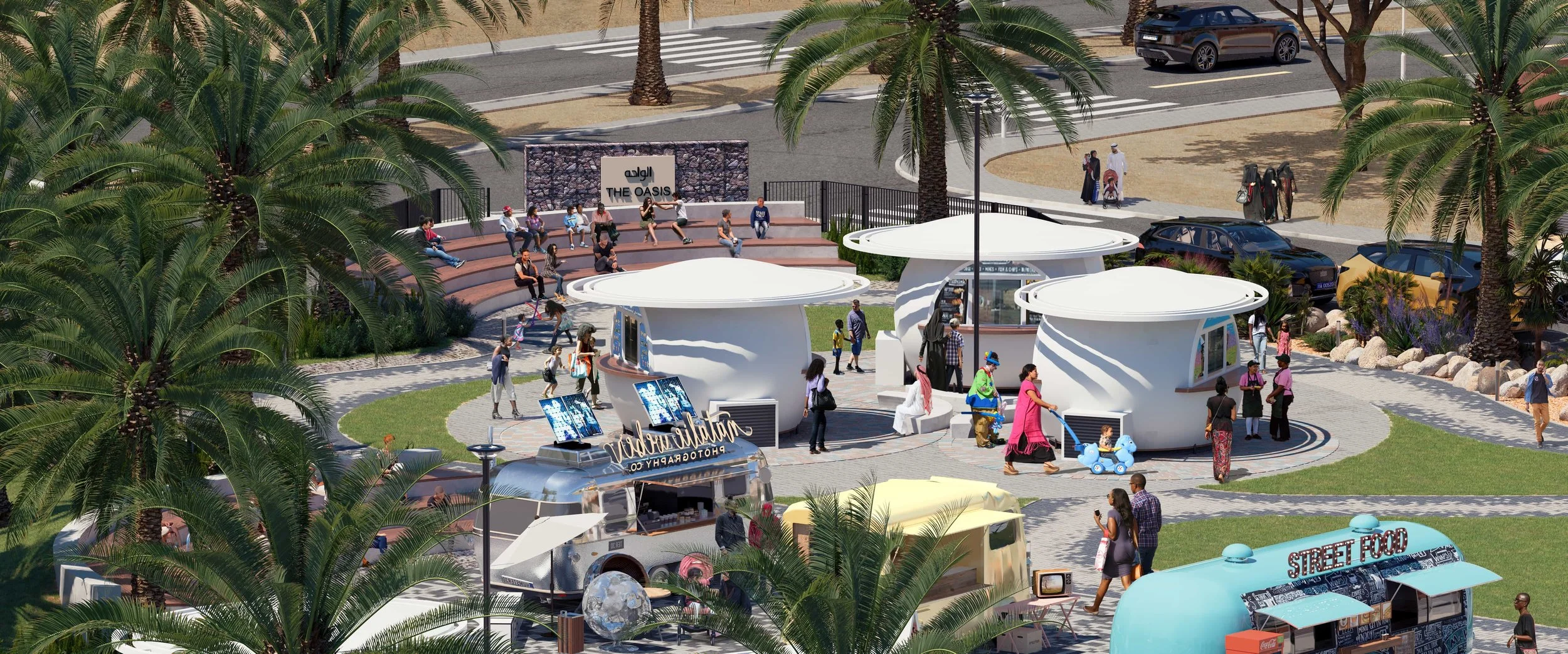
THE OASIS PLACEMAKING
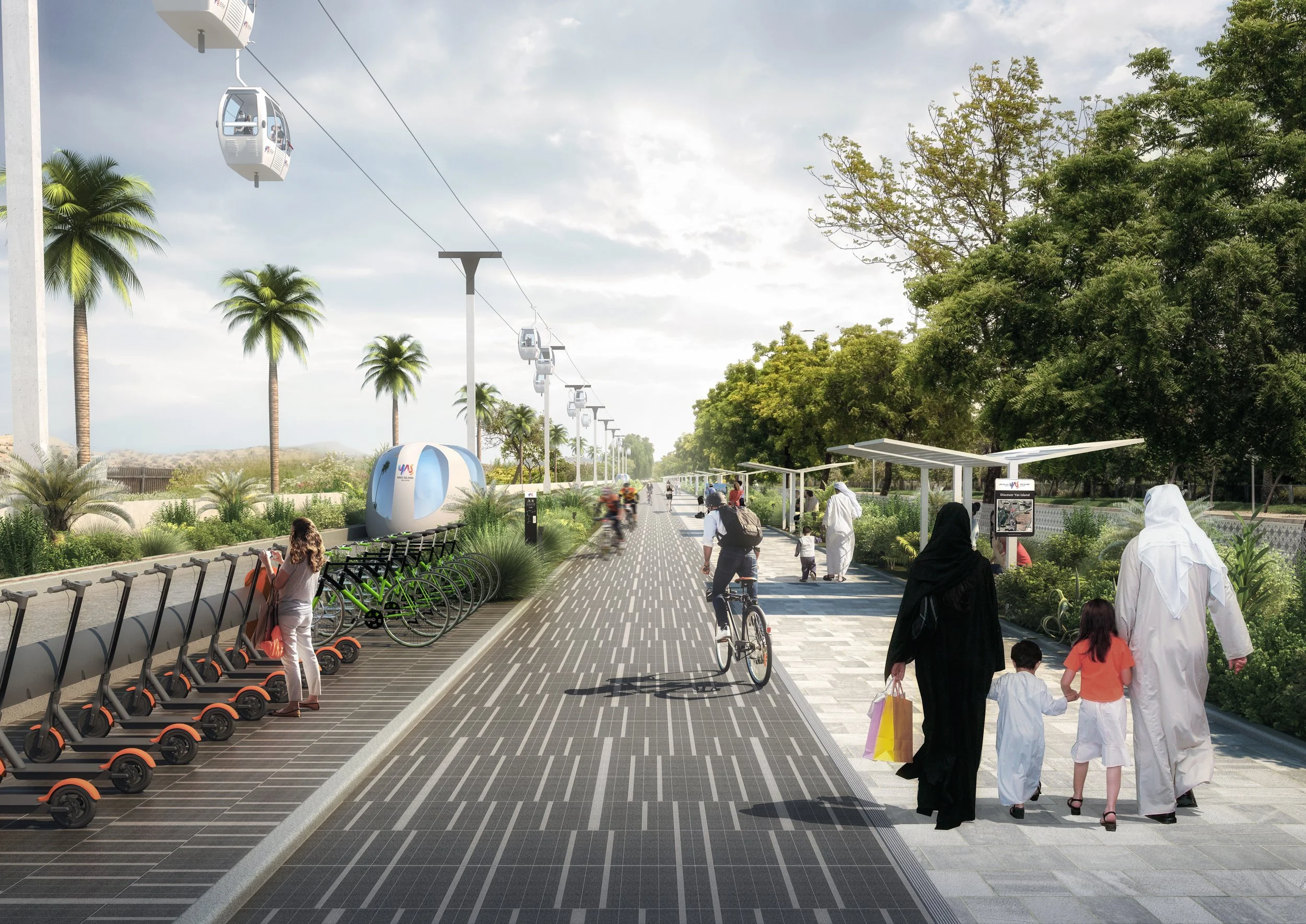
YAS ISLAND ABU DHABI PLACEMAKING
Connected Services.
Placemaking Works Best With...
Destination Branding
Define the identity and narrative that your place expresses. A strong brand gives placemaking its soul — without it, even the best spatial design lacks meaning.
Wayfinding
Ensure people can intuitively navigate the place you've created. Wayfinding connects placemaking interventions into a coherent visitor journey from arrival to departure.
Request Proposal.
Ready to transform your destination?
Fill out some info and we will be in touch shortly.
We can’t wait to hear from you!
Our Professional Affiliations